
Home

Home is your central hub for advising activities in Stellic. When logging into Stellic you will land on a personalized dashboard that brings together your most important advising tasks, student information, and frequently used tools in one place. 

Quick links to page topics:

Accessing Home Overview of Advisor Home Personalizing Your Dashboard
Best Practices User Settings Notification Settings
Stellic Inbox

Home is designed for advisors who work directly with students. It centralizes the information and actions needed most, reducing the time spent navigating between different parts of the platform. Home streamlines your daily workflows by:

  • See your day at a glance, pin reports, and pending tasks as soon as you log in.

  • Access reports instantly. Pin your favorite saved reports to your dashboard, surfacing student counts and tracking status instantly.

  • Complete tasks quickly. Raise concerns, send referrals, log meetings, or give kudos directly from the Quick Actions button.

The layout is designed to help you quickly scan what matters most and take action without navigating away from your home page.
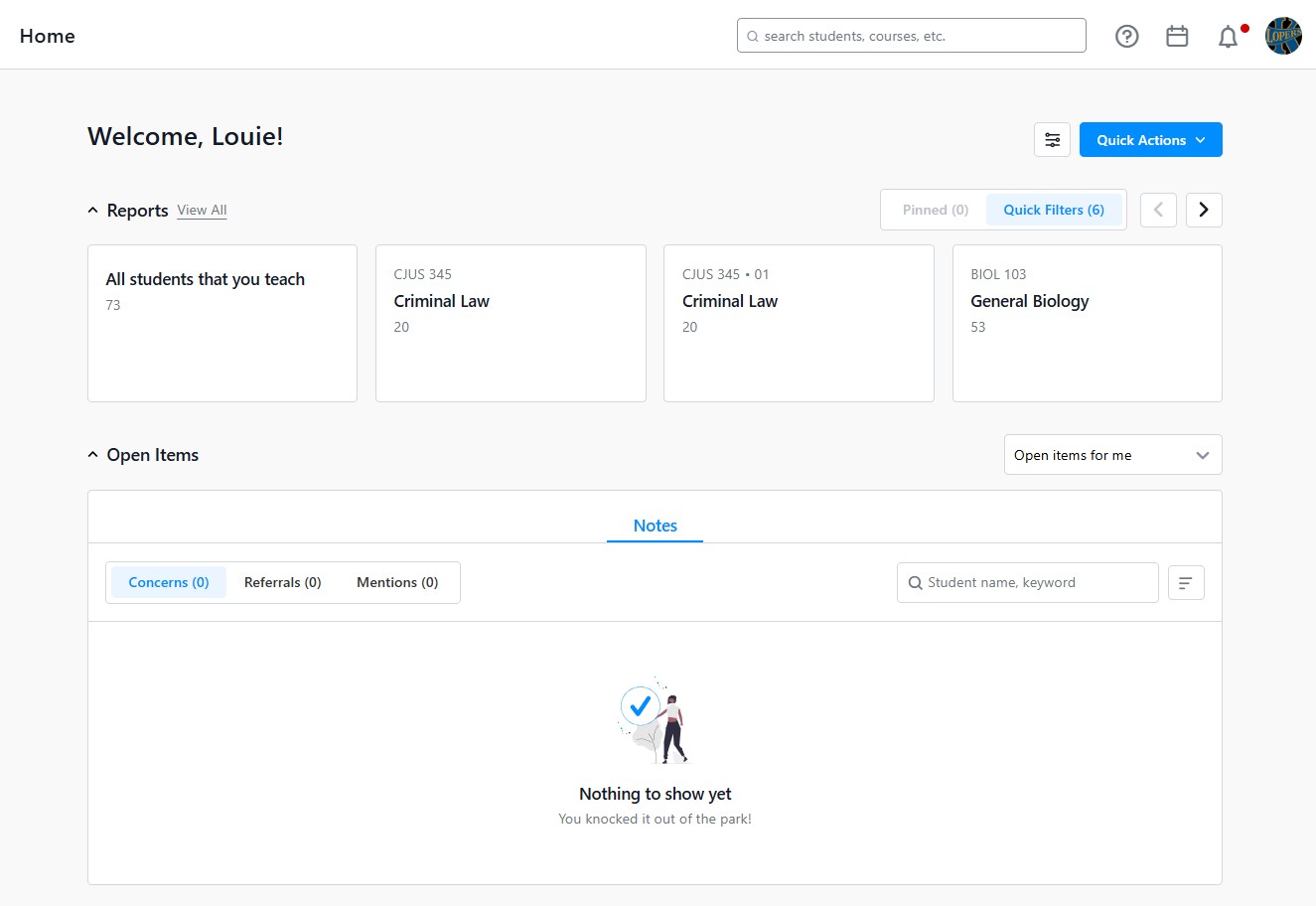
Home dashboard showing reports for taught students and courses, plus an Open Items section with no concerns, referrals, or mentions.


Accessing Home

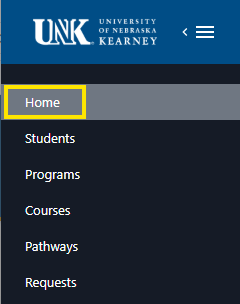
Home will be your default landing page when you log in to Stellic. You can always return to by clicking the Home link in the left navigation menu. 

UNK University of Nebraska at Kearney mobile navigation menu with the Home item highlighted and links for Students, Programs, Courses, Pathways, and Requests.

Note: If you log into Stellic from a saved bookmark, and your landing page defaults to Students, update the URL of your bookmark to https://stellic.unk.edu/app/home 


Overview of Home

Home supports modules that display different types of information:

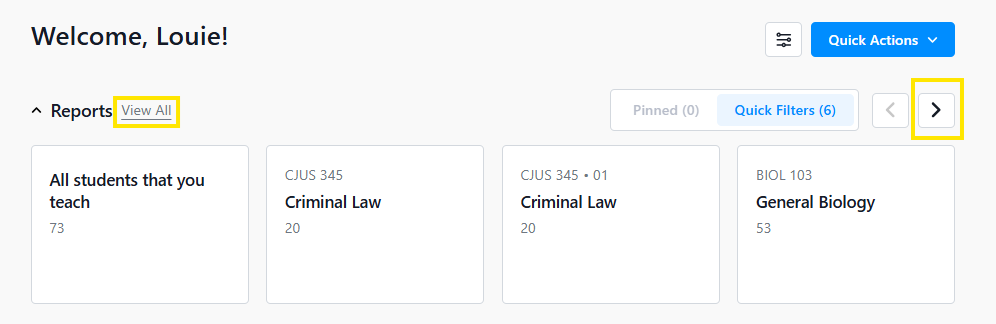
Reports: Your saved reports appear as cards providing student enrollment information for each course. Click the "View All" link to see all of your saved reports on the Students tab, or click on the > button to scroll through your 8 most most frequently used reports.

Reports dashboard with course tiles and a highlighted next arrow button to scroll through additional reports.

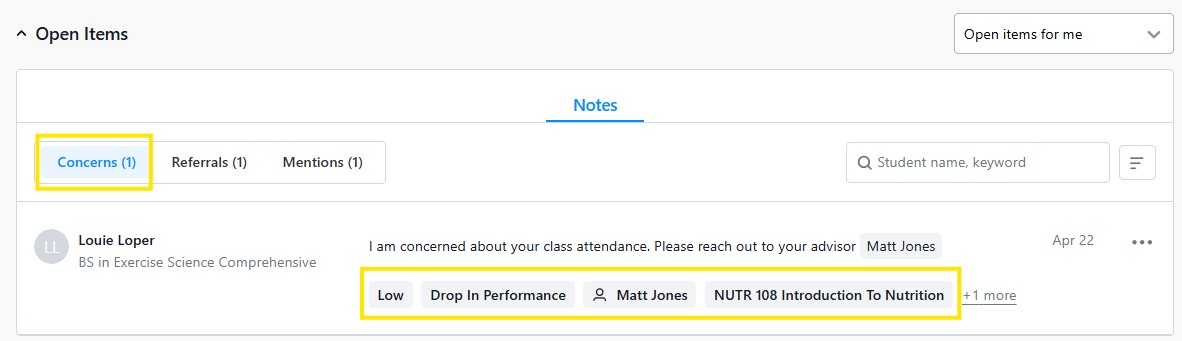
Open Items: Are tasks requiring your attention. These items pull information from the Notes created on a student profile. Items such as Concerns, Referrals and Mentions will display in the open items section until it's status has been changed. Each item has identifying note tags to give context to the issue such as low attendance, drop in performance, at risk of failing etc. Course information and instructors and advisors can be added to the item. Mentions are when you or others have been tagged in a note.

Notes page showing a concern about class attendance, tagged as low priority with the advisor and course listed.

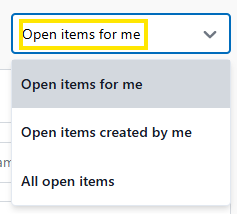
To view item types, click on the dropdown menu on the top right corner of the section. Here you can filter out items for you, created by you and all open items that you have been granted access.

Dropdown menu expanded with options for viewing open items, including “Open items for me,” “Open items created by me,” and “All open items.”

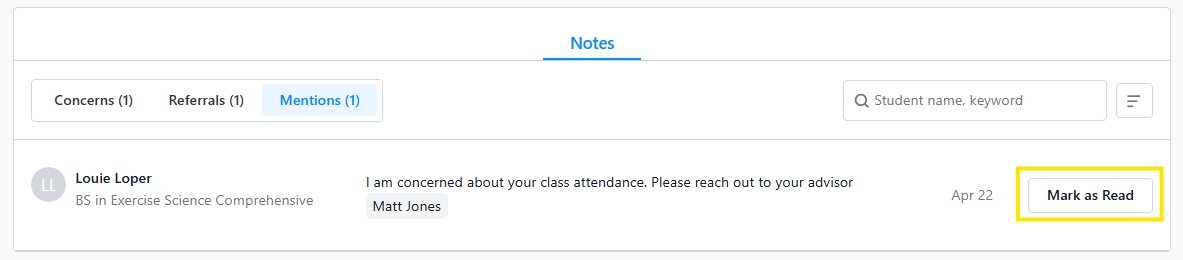
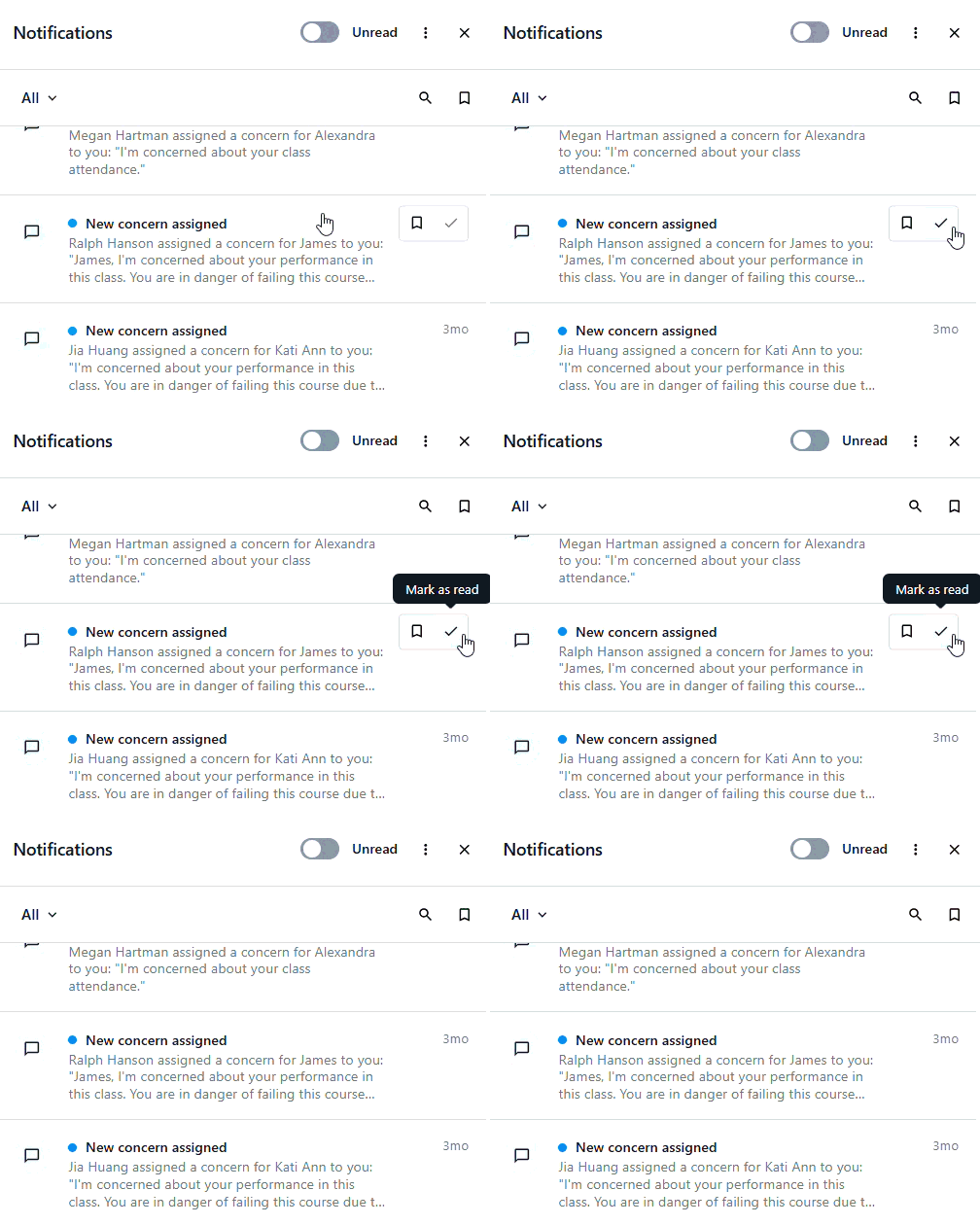
To clear notes with mentions, click on the "Mark as Read" button after reviewing the note.

Notes page showing a class attendance concern message and a highlighted Mark as Read button.

To change the status of a concern or a referral, click on the horizontal three dots ... button in an open item. Next you will have the choice to reassign the item to someone else or change it's status.

Dropdown menu opened from the three-dot button, showing options to Reassign or Change Status for a student alert.

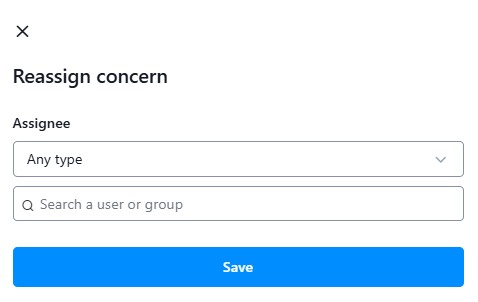
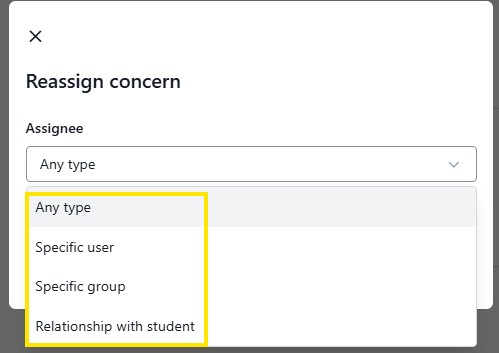
Reassigning the item, after clicking the Reassign link, select what type of assignee to designate, you can select an individual user, group, or student relation (Advisor/s, primary advisor)

Reassign concern dialog with an Assignee dropdown, a search field for a user or group, and a Save button.

Reassign concern dialog with an Assignee dropdown open showing options: Any type, Specific user, Specific group, and Relationship with student.

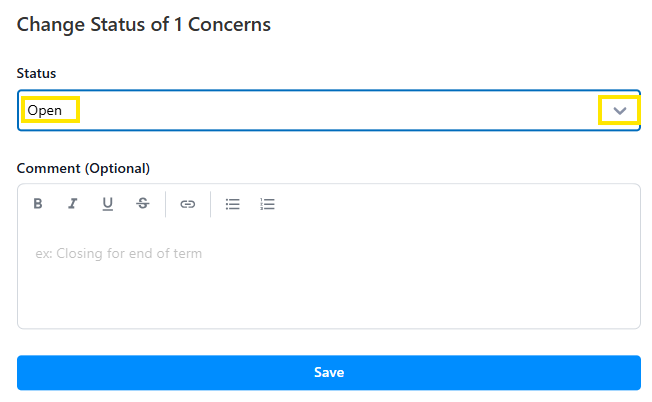
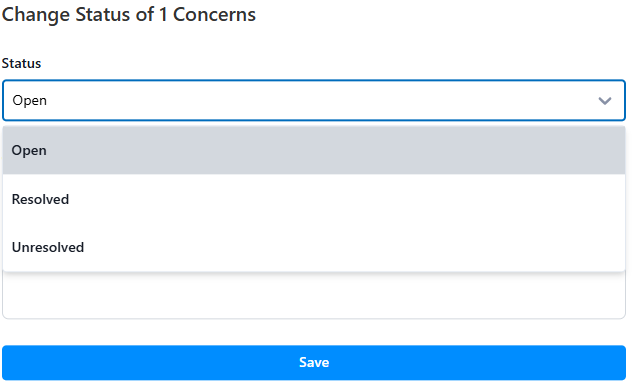
Change Status, after clicking the Change Status link, next select which status you would like to change it, and leave optional comment. 

Change Status of 1 Concerns dialog with Status dropdown set to Open and a comment field above a Save button. Change Status form with a Status dropdown open showing Open, Resolved, and Unresolved options, and a Save button.

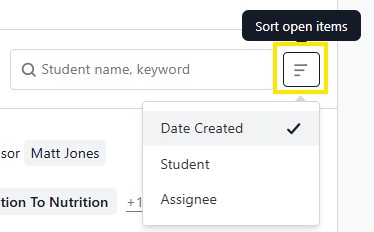
Sorting options, If you have a large number of items, you can sort them by date, student or assignee by clicking on the three horizontal lines next to the keyword search.

Dropdown menu for sorting open items, with options Date Created, Student, and Assignee.

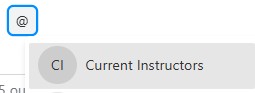
Tip: When mentioning other instructors or advisors make sure to place the @ symbol before the name is typed to properly tag someone. Without the proper tag made a instructor or advisor will not Racine a notification that they have been tagged in a note.Email icon next to “Current Instructors” label and avatar initials.
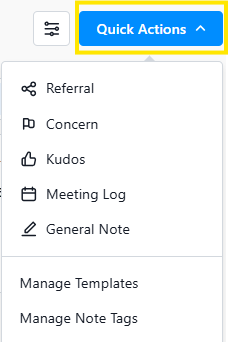
Quick Actions:  The Pick Action button in the top right corner provides fast access to common tasks. These tasks allow you to create a note from the advisor home without having to navigate to an individual student profile. Learn more about making notes in Stellic.Quick Actions dropdown menu expanded, showing options like Referral, Concern, Kudos, Meeting Log, and General Note.

Personalizing Your Dashboard

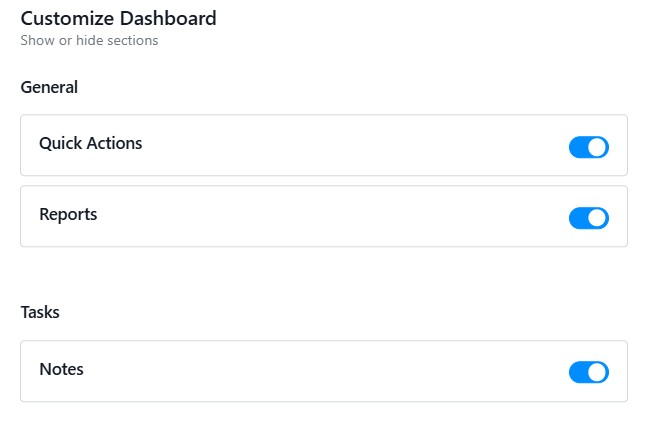
What sections displayed can be customized by using the toggle button to turn on or off the quick actions, reports, and note features. Click on the slider button, next to the Quick Action button to make changes. 
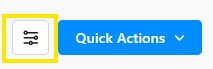
Sliders icon next to a “Quick Actions” dropdown button.

Customize Dashboard settings screen with toggle switches for Quick Actions, Reports, and Notes.


Best Practices

You can start the day with Home:
  • Scan your pinned reports for any updates at the beginning of the day
  • Check Open Items for any urgent follow-ups
Throughout the day:
  • Create notes for students in seconds, using Quick Actions to write referrals or concerns without leaving Home
  • See action items and mentions immediately as they’re assigned to you
  • Clear any remaining Open Items by marking as read, resolving, or marking attendance
  • Log any meeting minutes from advising appointments throughout the day
Use Home to distinguish between urgent and important tasks:
  • Urgent: Today's appointments, overdue meeting minutes, time-sensitive student concerns
  • Important: Proactive outreach to at-risk students, long-term advising planning, reviewing milestone completion

User Settings

You can access and customize Stellic settings by clicking your name in the top right hand corner and then Settings.To review user settings, click the user profile icon found on the upper right hand corner of any page, and then select the Settings link.
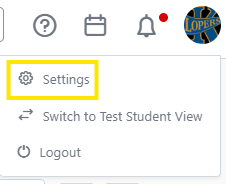
Dropdown menu with Settings highlighted, showing options for Switch to Test Student View and Logout.

User settings will appear, here you can change your profile picture, view your campus and user role, update notification settings, viewing settings, audit and report printing options, turn on messaging and set accessibility preferences. 

View Settings will control the default view for many sections of the platform. You’ll always be able to navigate between views, but this will control which view serves as a default view when you log in.
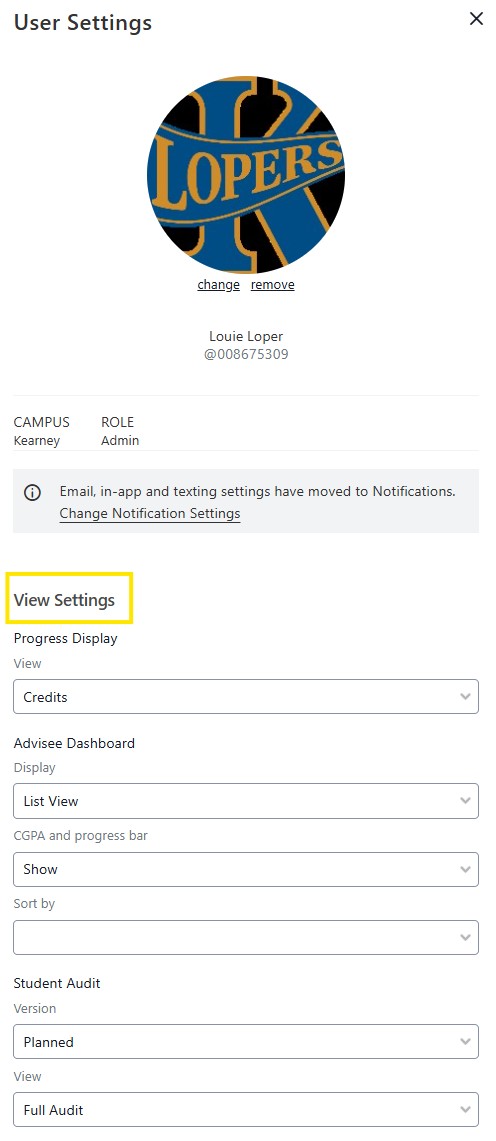
User Settings screen with the “View Settings” section highlighted.

Audit Report Printing Options will control the default print view when you opt to print PDF audit reports from either your dashboard view or from an individual student's page. You’ll always be able to navigate between views, but this will control which view serves as your default.
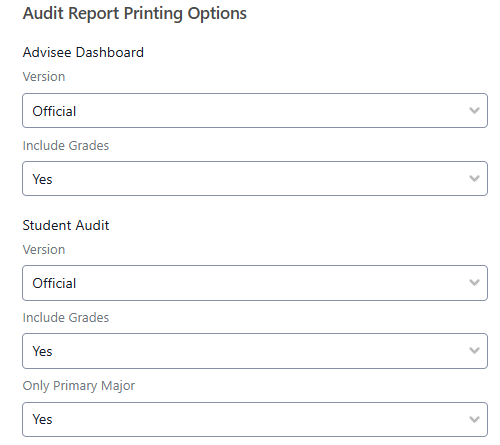
Audit report printing options form with dropdowns for advisee dashboard and student audit, including version, include grades, and only primary major settings.Web Accessibility options include high contrast and text equivalents for non-text element views.
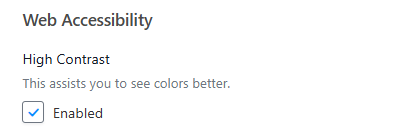
Web accessibility settings showing High Contrast enabled with a checked box.


Notification Settings 

In Stellic you can manage how and when you would like to receive your notifications. Accessing the user settings, click on the Notifications tab. Here you can set your frequency for email notifications. In general stellic will notify advisors when they receive a new message from a student, requests for plan reviews, student alerts, substitutions and exception requests. 

Notifications settings panel showing email notifications set to louie@unk.edu, daily frequency selected, and dropdown options for critical alerts, warnings, and info.

The Email address used cannot be changed, this email is set in MyBlue. You can select the instant email notification or a daily digest email summarizing notifications.

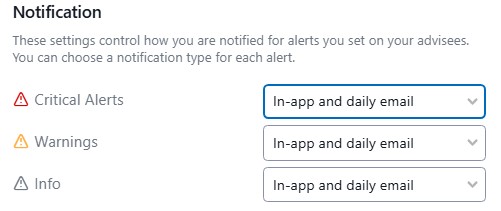
Notification type: Advisors have the option to set notification preferences for Critical Alerts, Warnings or information changes. The options are to receives In-app notifications or daily emails or both. Notification settings panel with dropdowns for Critical Alerts, Warnings, and Info, each set to In-app and daily email.
In app notifications are indicated by the Bell icon with a red dot in the top right corner of any Stellic page. Notification bell icon with a red dot indicator.

Alert Events: This is the list of items that when changed that will trigger a notification. For example any tracked reports. If a student is added or dropped from a report you will be noticed. Advisors can also create other Alert types to receive notifications by clicking on the "add new alert" link.
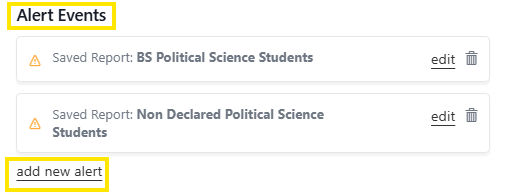
Alert Events panel listing two saved reports with edit and delete options, plus an add new alert link.


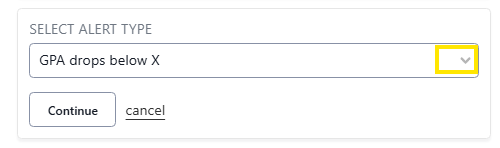
Alert type selection dropdown with “GPA drops below X” selected and a Continue button.

Click on the drop down menu to select the alert type and follow the next menu options to create custom alerts.
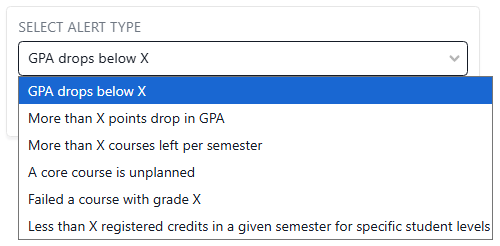
Dropdown menu for selecting an alert type, showing options like “GPA drops below X” and other GPA or course-related alerts.


Stellic Inbox

When you receive a notification it will land in your Stellic inbox. The inbox serves as a searchable feed for daily notifications that come through Stellic. You are able to filter for what's relevant, bookmark what you'll come back to, and navigate directly to the source of each notification.
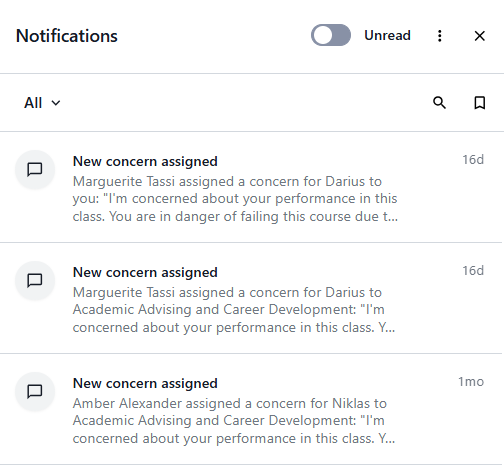
Notifications panel showing multiple “New concern assigned” messages about academic performance, with an Unread toggle at the top.

Filter by category: Notifications are now grouped into categories, including Appointments, Audit, Exceptions, Messages, Notes, Permissions, and Plan. Use the filter dropdown at the top of the inbox to narrow your view to a single category.
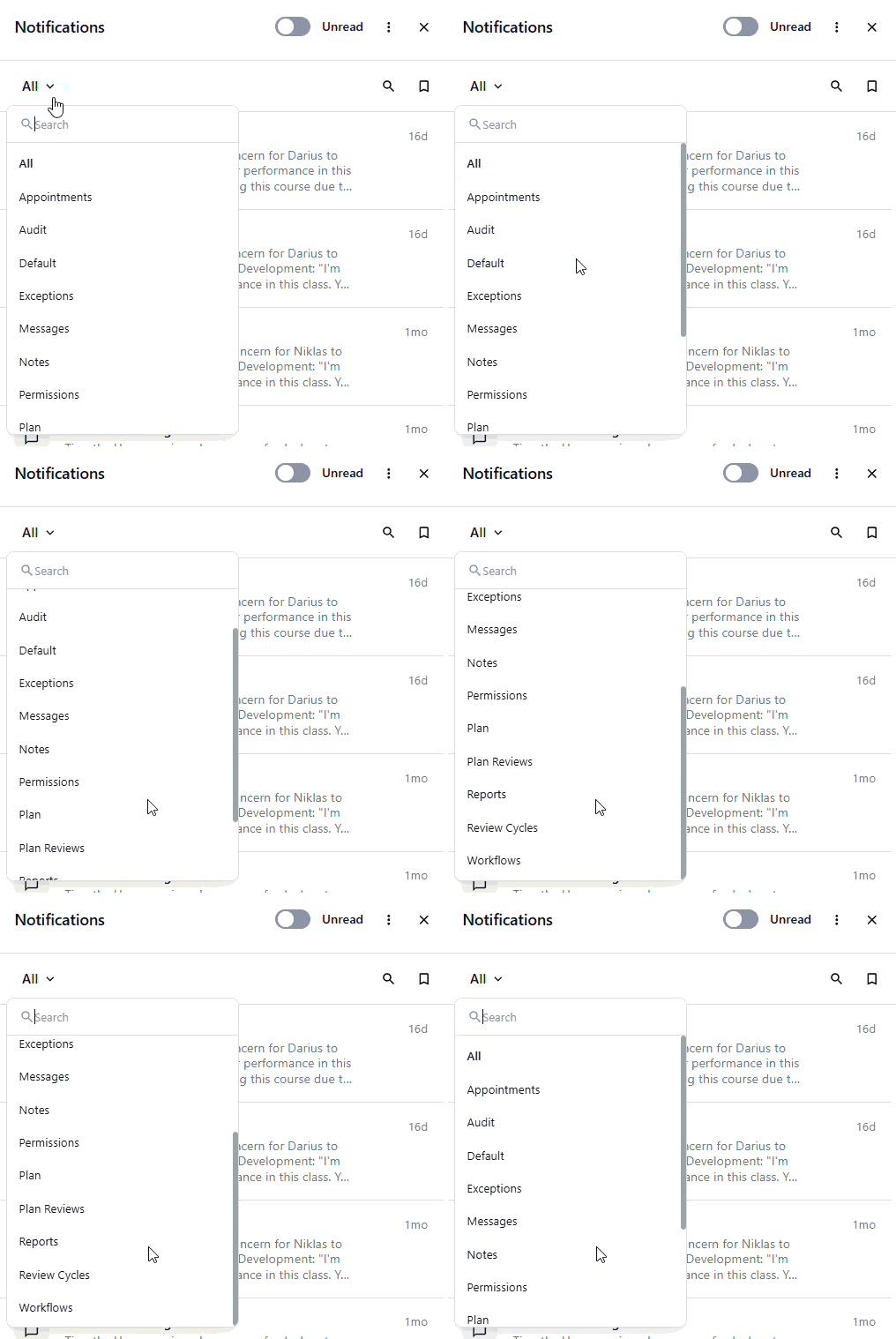
Notifications panel with a dropdown filter menu open, showing categories like All, Appointments, Audit, Messages, and Notes.


Save for Later: Bookmark any notification with a single click. Bookmarked items live in a dedicated view and can be marked as done when you've finished the underlying task.
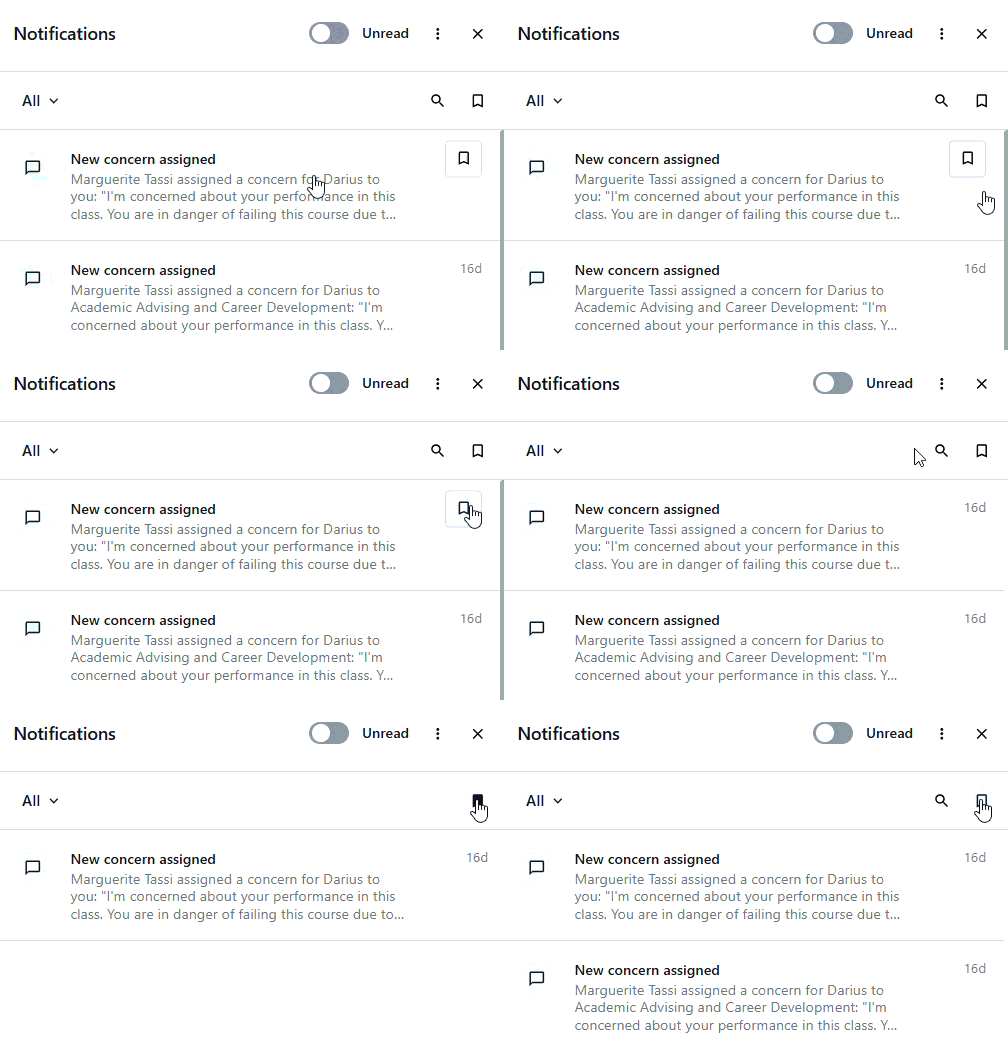
Notifications panel showing unread items, including two “New concern assigned” messages about a student’s performance.

Search: Find any notification by content, sender, or keyword. Search filters in real time as you type.
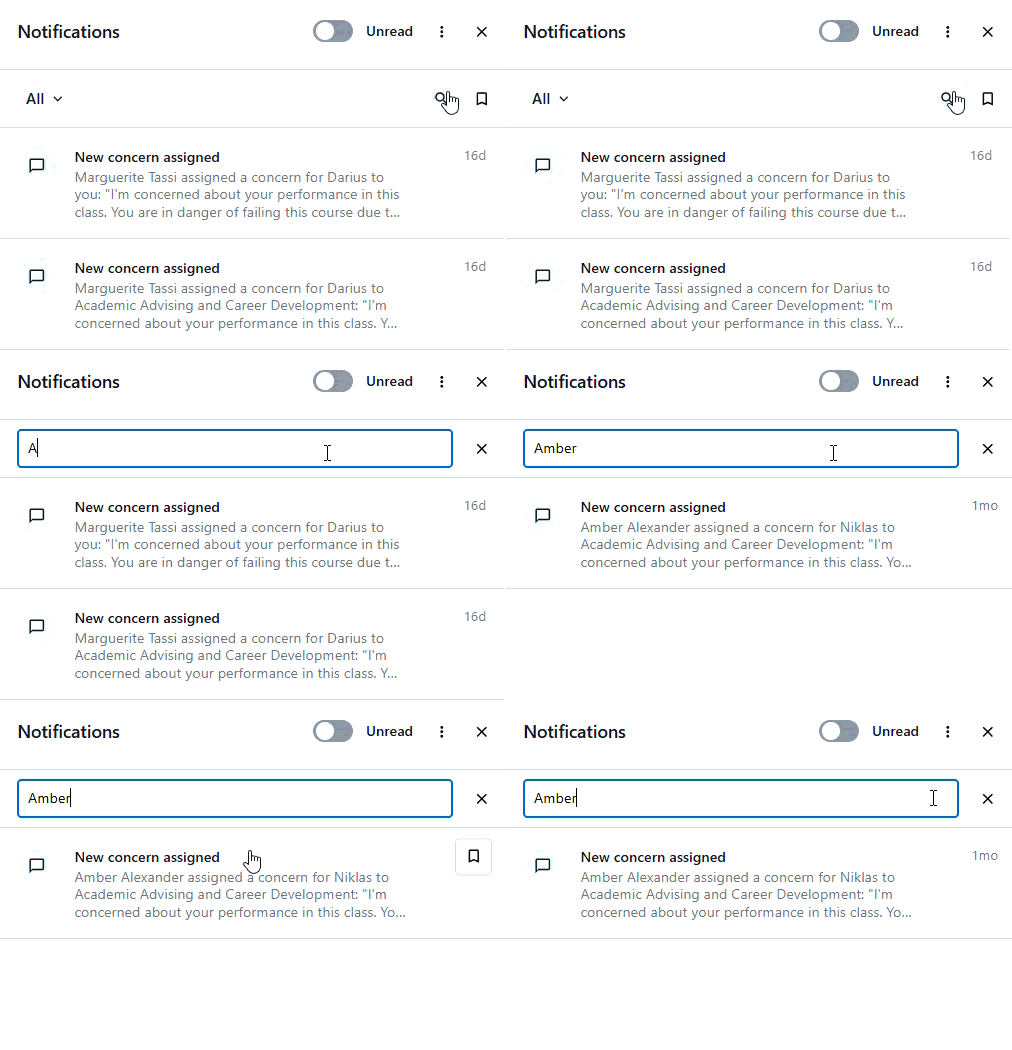
Notifications panel showing two “New concern assigned” messages about academic performance, with an Unread toggle at the top.

Deep linking: Clicking any notification opens the relevant surface in Stellic - a student alert opens the student profile, an exception request opens the request tab in the student profile, and a saved note opens that note directly.

Mark as Read: Clicking on the three vertical dots will allow you to Mark All items as Read. 
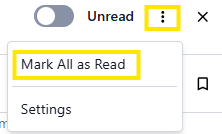
Dropdown menu with Mark All as Read highlighted and Settings below, next to an Unread toggle.

To mark off individual items hover your cursor over the timestamp and select mark as read or the bookmark to save.Notifications panel showing unread “New concern assigned” messages about student performance and attendance.