Building Healthy Families (BHF) is a family- based healthy weight program for children and their families. Key behavior change strategies including goal setting for both lifestyle modification and weight loss, self-monitoring, rewards/contingency management, role modeling, and stimulus control/ modifying the environment.
Building Healthy Families has demonstrated success for both children and adults. Children with obesity have lost more than 5% of their body mass in twelve weeks while adult weight loss has averaged 14 lbs in 12 weeks with some losing up to 40 lbs.
Building Healthy Families has been packaged for rural or low resource communities to implement. Our approach was to develop a package for communities that may not have the full range of expertise but have strong interest in addressing the issue.
Our packaged BHF program includes online training resources and implementation strategies for community implementation teams to successfully implement the program in their community. Online training modules were created for each implementation team role including: program coordinator and nutrition, physical activity, lifestyle and recruitment coordinators. The packaged program includes presentation materials, handouts, and lesson plans that increase the likelihood that the delivery of the program will be consistent across communities. The Online Training and Program Resources includes a modular approach providing training modules for program facilitators, knowledge checks to ensure mastery of program components, recruitment resources for community, school and clinical settings, all delivery materials, embedded fidelity assessments for quality assurance, and a data portal to track participant success.
Ideally, each community interested in implementing BHF should have a team consisting of representatives from community organizations that can assist in the implementation of the program as well as the recruitment of families to join BHF. This could come from the local health department, hospital, school district, extension office and/or local recreation centers. Roles include a local pediatrician or family practitioner to assist in securing medical referrals and overseeing any health issues that may arise. Support from the local school districts and school nursing staff and local health clinics are necessary for recruitment and screening for identification of potential participants. A local social worker could be engaged to assist in the identification of low-income, at risk-children. Program delivery team will include a dietitian or individual with experience in healthy eating promotions (extension, health department), someone with background in behavior modification strategies (health promotion or psychology) and a physical activity program coordinator. This person should have experience implementing activities with children (parks and recreation, YMCA, youth fitness instructor, etc).
Please reach out to bhf@nebraska.edu to be added to our contact list for dates on our upcoming webinars!
Are materials available in Spanish?
Building Healthy Families (BHF) materials for families are available in Spanish. This includes handouts, educational materials for families, and recruitment materials. However, the BHF training for community implementation teams is only in English.
Communities have successfully implemented BHF for Spanish-speaking using familiar strategies and resources available within their organizations or communities. For example, they may have a bilingual staff person support Spanish-speaking families during recruitment and enrollment or be available during the sessions. Some communities have used two screens to show both Spanish and English versions of the educational materials.
Are University-affiliated groups accepted/allowed to apply if they target rural/small town/low-resource communities?
Yes, as long as they are willing to engage in the required elements. We currently have university teams supporting community implementation in a handful of sites.
What if we are not rural?
The BHF Scale Up Trial is recruiting communities and their partners that serve rural communities or areas, micropolitan areas (i.e., <50,000 population), and/or other low-resource settings. The primary requirement is an organization or collection of organizations that are ready to adopt and deliver a family healthy weight program to the families they serve.
I am worried about recruiting families. How will you help us engage families so we have enough participants for the program?
Recruitment can be challenging for all programs. We have developed several resources to support recruitment. First, within the online training platform and resources, there is a recruitment training video and a recruitment planning section to help your team review recruitment sources likely to work for your community. We also offer template materials, such as social media posts, physician letters, and school letters, all of which can be downloaded and tailored for your community. These tools help you get started and stay organized. We also offer specific guidance and tools for local clinics to help identify families and use physician referrals to engage them. Of course, if you have an effective way to recruit families, you are free to use those approaches as well!
What are these pre-application surveys about?
Completing the surveys is required, and we make it easy by sending each person listed in the letter of intent a unique survey link. The answers to the survey questions will not be used in the selection process.
You will not be asked for your name on the surveys, and all information you provide will be confidential. It will not be reported back to your organization or community, except in aggregate across the selected communities.
Can the project lead ‘count’ as one of the two pre-application surveys from an organization?
Yes, as long as someone with decision-making authority for the organization or will be involved in the implementation of the recruitment or program delivery activities.
Do we have to have 2 organizations to apply?
We encourage at least two community organizations to work together to implement BHF; however, if your community or organization has the staff and space to implement it on your own, that is also okay. For many, partnering across organizations is the best way to share resources, reduce burden, and successfully identify and deliver the program to families. Sometimes, collaborating with a clinic to identify and recruit eligible families and with another organization to implement the program is very successful. Another example could be a school partner that uses the BMI screening to send information home to families about their child’s weight. An invitation could be included in those materials to help engage families in BHF. A second partner might be the cooperative extension, which could have health educators to implement BHF with families on a week-to-week basis.
Why do you want at least 2 people from each organization?
We want to have a decision-maker and a doer from each organization involved, so we know that the commitment can be acted on (the administrator can make decisions on resources) and is feasible (people who will implement—the doers—have a good sense of what can and can’t be done in their role).
How many communities will be selected?
30 communities will be selected to implement Building Healthy Families over three recruitment waves. We are currently recruiting for the second wave of communities.
What are the expected in-kind contributions from the partners?
There are no required in-kind contributions from your organization. You will want to ensure that your implementation team and the supporting organizations agree on the staff time required to train and deliver BHF to families in your area.
As part of the trial, we provide $5,000 to communities to support the BHF start-up and implementation. We also provide a BHF Kit that includes the equipment and materials needed to run the program in your community.
We realized that this does not offset the full cost of delivering the program, but the ideal community for this trial is looking to adopt and implement an evidence-based program for families in their area, using resources (e.g., staff, locations) that would be available long term.
How long will our community be involved in the project?
Participation for the selected communities will be approximately 24 months.
Do we need any kind of credentials to offer the program?
You don’t need to have any specific credentials, and the BHF online training and resources platform provides BHF-specific training for your implementation team.
Are there any plans to help communities sustain the program?
All communities will receive feedback and lessons learned during the project period. There are also opportunities to plan for sustaining the program, and these ideas are threaded through various training components (e.g., developing referral partnerships and pathways, training your implementers, etc.).
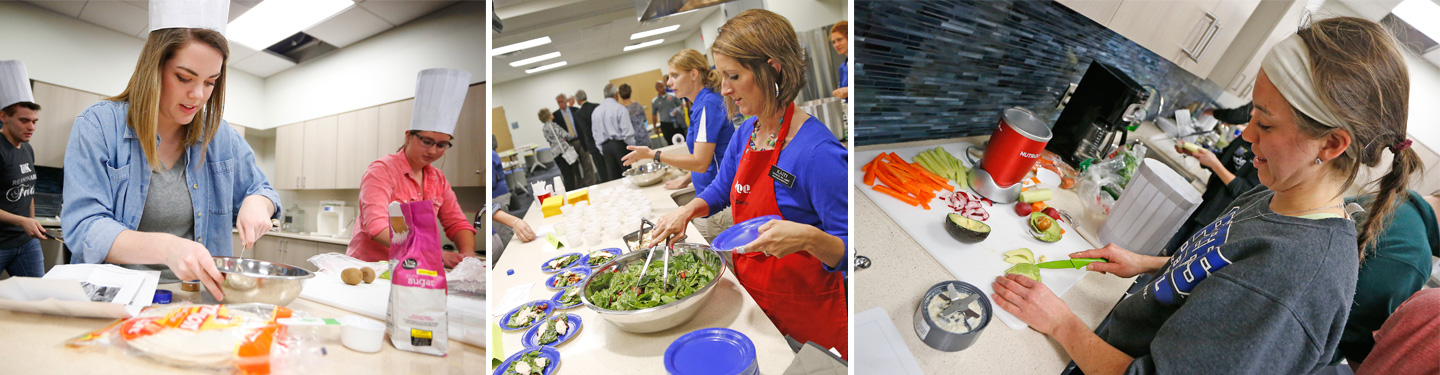
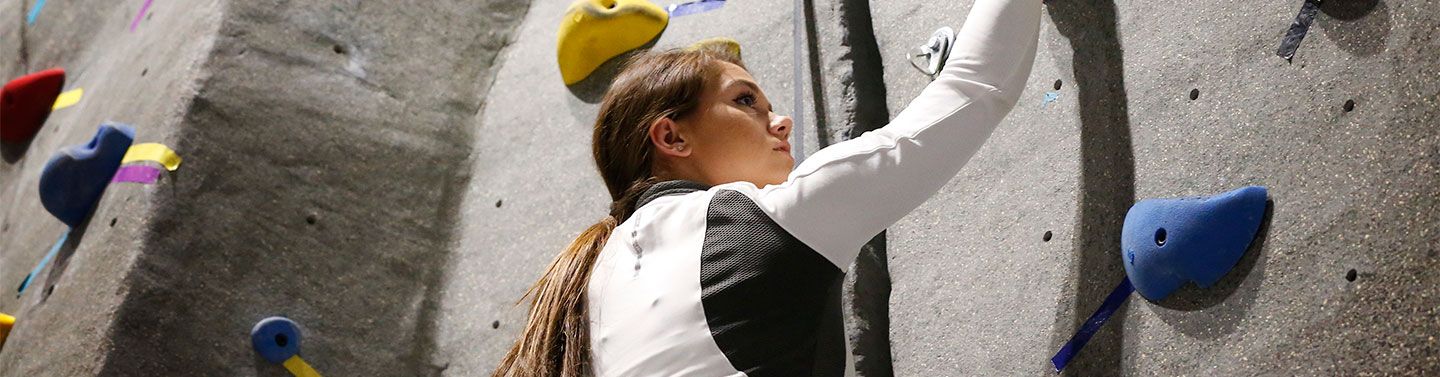
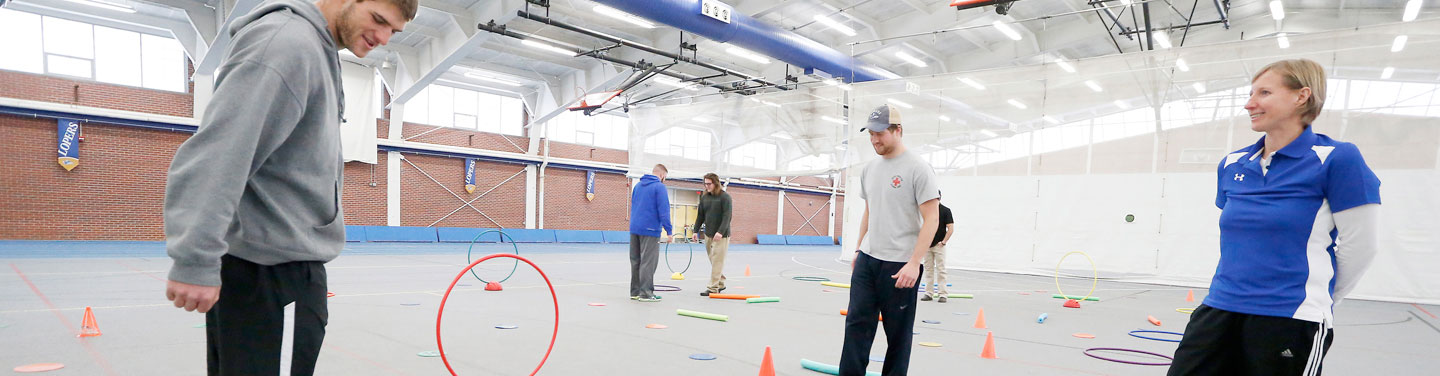
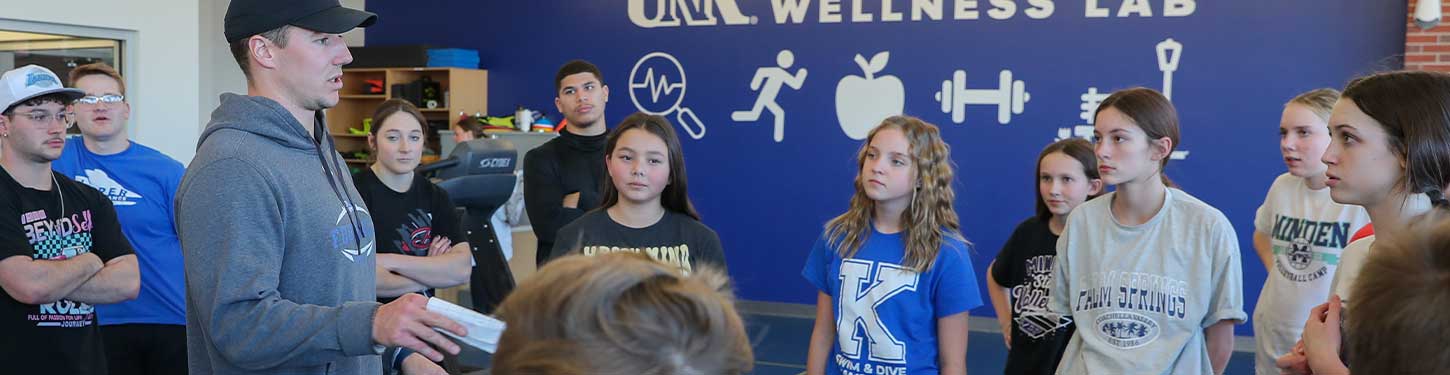
BHF includes a minimum of 32 contact hours consisting of three main program components: nutrition education, behavior modification, and physical activity. All program materials are at an easy to read level for adults and children. Nutrition education content includes the Traffic Light Eating Plan, energy balance, grocery store tour, portion sizes, reading food labels, healthy kitchen assessment, dining out, snacking, whole grains, fruit and vegetable taste testing, modifying recipes, protein, and beverages. Behavior modification complements nutrition education. The physical activity component includes non-sport oriented games focused on fun and family interaction with goals for steps/day of activity. Education is provided to children and parents together and independently based on the topic and depth of information. Participants and parents are expected to attend 12 continuous weeks of education (2 hours/session) followed by 6 relapse prevention refresher sessions out to one year.
If you are interested in learning more or want to be contacted email bhf@nebraska.edu or visit buildinghealthyfamilies.us. If you have additional questions, please do not hesitate to call us at 308-865-8336.
Mountain West Prevention Research Center (MW-PRC)
The Mountain West Prevention Research Center (MW-PRC) aims to develop a scalable approach to find and recruit families that could benefit from participating in Building Healthy Families (BHF) or similar programs in rural communities. While resources like BHF may exist to help families eat healthier, move more, and maintain a healthy body weight, communities often struggle to recruit enough families to run these programs. The MW-PRC project will partner with community health centers to identify eligible families and then use text-messaging and active outreach phone calls to reach out to them and encourage their participation in BHF. We will also send families reminders and motivational messages throughout the project to encourage continued participation. Ultimately, we will produce tools that any community could use to increase the reach of Family Healthy Weight Programs in rural or micropolitan areas to decrease childhood obesity.
Our team moved the successful Building Healthy Families (BHF), an evidence-based family healthy weight program, into a user-friendly electronic package of training and program materials. Healthcare, community, or public health organizations can use this packaged program in small towns, rural regions, and other low resource settings to implement BHF into their own communities. To learn more about the CDC's Childhood Obesity Research Demonstration (CORD) Project 3.0 go here.