

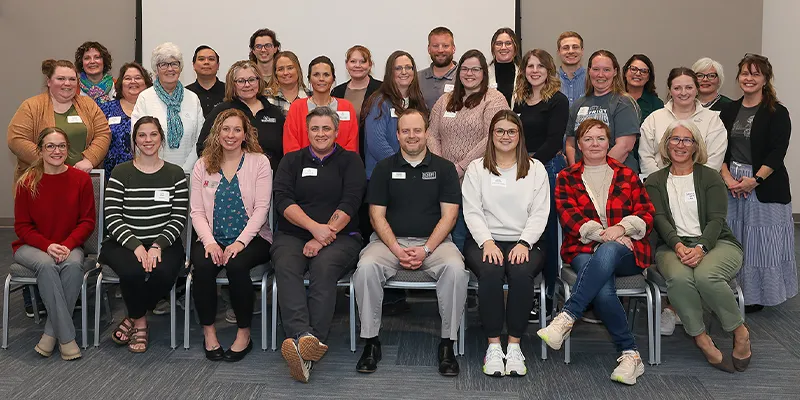
In late 2024, fifteen rural communities agreed to become part of Project KNEW. Each of the communities were already actively addressing childcare needs. By agreeing to participate, they were committing to meeting goals over a two-year period that would continue supporting their community's childcare aims and in turn they would receive a stipend to help support their objectives.
A few communities and counties work together, including Albion/Boone County, the communities of Eustis and Elwood, Loup & Garfield Counties, and Valentine/Cherry County.
Each community will tell their story of growth in their own way. You’ll find their ideas unique, creative, inspiring, and reflective of the resilient spirit of rural Nebraskans.
Ainsworth Child Development Center (ACDC) is actively strengthening its workforce. Like many early childhood programs in rural areas, they have experienced staffing challenges. Moving beyond reacting, they've taken intentional action to build sustainable solutions. By identifying three areas of focus, they have made meaningful strides to build long-term stability and morale.
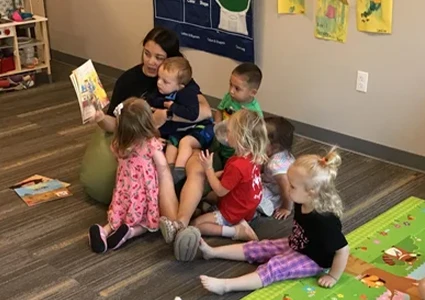 ACDC hosted a Substitute Information Night to address current staffing gaps. Community members who might be a good fit were identified—parents, retirees, education students, and others interested in flexible work. Information included reports needed to build an employee file. ACDC supported this event by having a person on site for fingerprinting (this cost was covered), sending links for the background checks, sign-up options for CPR class, and 1 to 1 help with completing the paperwork. Other incentives offered were payment for the time spent in CPR class on their first paycheck, daily discount rate on childcare, no pressure to work, age preferences and messaging via a group chat for coverage dates. Overall, this event showed that our substitutes are valued and we are willing to invest in them. The key focus of this event was to help substitutes complete all required parts of the process before they leave the facility. Then as soon as they are cleared to work, it’s as easy as them walking in the door!
Thinking long-term, ACDC partnered with community groups to bring education and training opportunities to local youth. The goal is to plant the seed early and spark interest in Early Childhood Education as a career path.
 Retention is just as important as recruitment. Short break coverage was implemented throughout the day. This gives teachers an opportunity to step away, reset, and return refreshed. Small breaks can make a big difference in morale and prevent burnout.
A staff survey was sent out asking about favorite snacks, treats, and caffeine for the break room. These small gestures show appreciation and boost morale.
ACDC is also invested in professional development (PD). The cost of training is covered, and staff is compensated for PD completed outside of working hours.
We are proud of the partnerships we’ve built and the intentional steps we’ve taken to invest in people—because when we invest in people, the future truly is bright!
Boone County Early Childhood Partnership (BCECP) is a collaborative county-wide initiative focused on strengthening and supporting the early childhood workforce. The partnership brings childcare providers, preschool educators, directors, teachers, and community stakeholders together to enhance the quality of care and education available to young children and families. Support for our initiatives has been provided in part by Project KNEW.
The primary focus of our partnership is professional development. BCECP offers ongoing educational opportunities, trainings, and workshops designed to help early childhood professionals build skills, stay informed about best practices, and address challenges providers face in their daily work. The organization also works to ensure that training opportunities are accessible and affordable.
Another key goal is fostering connections among early childhood professionals. Recognizing that providers often work independently and can experience isolation, the partnership creates opportunities for networking, peer support, and collaborative problem-solving. These connections help strengthen the workforce while building a sense of community among those who care for and educate young children.
BCECP also advocates to raise awareness of childcare and workforce challenges, support policies that benefit providers and families, and highlight the essential role early childhood professionals play in the community and local economy. Overall, the partnership aims to improve quality, sustainability, and accessibility of early childhood services by supporting the professionals who serve children and families throughout Boone County.
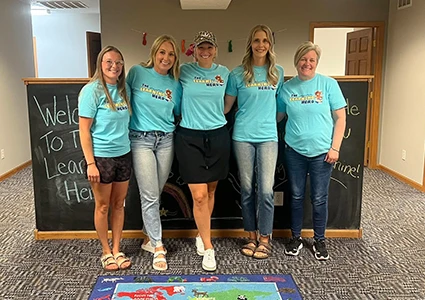 Elm Creek
Buffalo County continues to make meaningful strides in strengthening access to quality childcare for local families. A significant milestone was recently achieved with the opening of a new childcare facility in Elm Creek. This new program has expanded childcare availability in the community by creating space for 12 children, serving ages 6 weeks through 11 years. By increasing access to dependable, high-quality care, the facility is helping meet a critical need for working families while supporting children's early learning and development.
The program has also demonstrated a strong commitment to excellence by earning its Step Up to Quality certification. This achievement reflects the provider's dedication to maintaining high standards of care, implementing best practices, and creating a safe, nurturing environment where children can learn, grow, and thrive. Participation in Step Up to Quality highlights the importance of continuous improvement and quality enhancement within Buffalo County's early childhood education system.
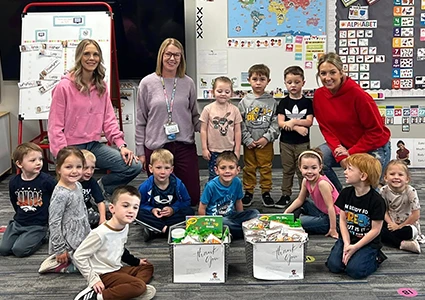 In addition to celebrating new childcare opportunities, Buffalo County recognizes the vital role that existing childcare providers play in supporting children, families, and the local workforce. Provider appreciation initiatives were conducted throughout the county to acknowledge the hard work, dedication, and positive impact of these professionals. Appreciation baskets were distributed to several providers and included a variety of thoughtful items for both the providers and the children in their care. These efforts serve as a small token of gratitude for the countless ways childcare providers contribute to the well-being and success of families across Buffalo County every day.
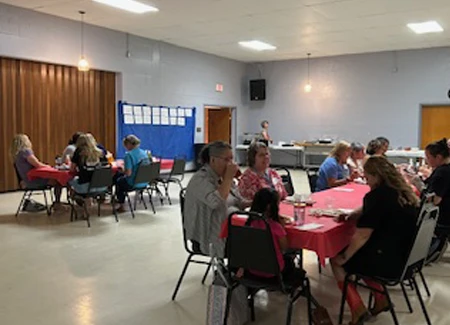 Dawson County Family Partners decided to host a dinner and listening session. The goal was to find out what was going well for the childcare providers of Dawson County, to learn about any barriers they were facing and how to use the KNEW funds. We enjoyed a fantastic taco/nacho bar supplied by the Elks Club in Cozad. The food was not only great, but our group conversations were even better. During this meeting the providers determined that they would like to add ‘tools’ to their childcare ‘tool kit’.
The plan to use some of the KNEW funding was developed during this gathering, and it began working to help the providers identify needs. One of the top needs identified was to find support for individual mental health and the children in their care, who are like family to them.
Region II Human Services was instrumental in educating our providers about the first tool. The My Strength app is a tool that providers can schedule for daily use on their phones. This app helps address stress, anxiety and depression and is touted as the ‘health club for your mind’. Along with the offering of the My Strength app, the providers who participated also received a self-care wellness gift.
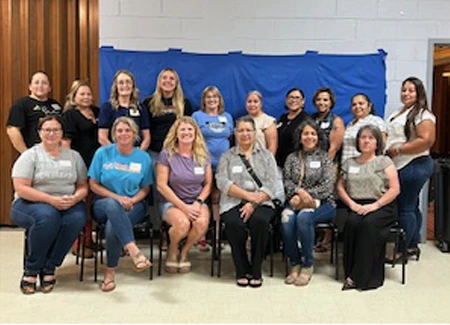 Dawson County is also supporting our providers to provide education on the childcare tax credit and the options they have available for both them and for the childcare families too. This education is a 3-part series offered in conjunction with ESU10. This series includes a section with a bookkeeper and a marketing coach with hands-on practice to allow the providers to have time to work on their skills before their "ask". Providers will also earn 3 CEU hours for their participation.
P.S. We’ve grown and expanded our service area! We are now part of Heartland Family Partners!
One of the biggest challenges was the lack of funding for educational opportunities beyond the required state training. By leveraging KNEW funds, financial barriers were reduced, allowing providers to pursue additional certifications and receive meaningful incentives. This approach helped shift the mindset from simply meeting minimum requirements to actively pursuing excellence in care.
Both Elwood and Eustis have been intentional in encouraging child care facilities and staff to engage in continued training and to obtain Step Up to Quality (SUQ) qualifications, all while striving for higher standards of care.
In Elwood:
These incentives have played a key role in fostering motivation, recognizing professional growth, and reinforcing the importance of quality improvement.
As a result, Elwood has added one new licensed Step Up to Quality (SUQ) facility, with another currently in the process of becoming licensed. This progress reflects a strong and growing commitment to enhancing the quality of child care within the community.
Looking ahead, Elwood is exploring ways to sustain longevity stipends once KNEW funding concludes. Both Elwood and Eustis remain focused on maintaining momentum, continuing incentive structures, and prioritizing long-term workforce development and quality improvement.
In addition, both communities are actively working to educate the broader public about the critical role child care workforce development plays in economic growth and community sustainability. Continued emphasis is being placed on expanding professional development opportunities for child care providers.
The biggest thing we focused on was child care provider educational opportunities. We have a great established child care center in Eustis named Kinder Haus, but they lacked the funds to send their employees to any training outside of what is required by the state. With the KNEW funds, Eustis C4K was able to sponsor employees to attend trainings of their choice to help them thrive in the workplace.
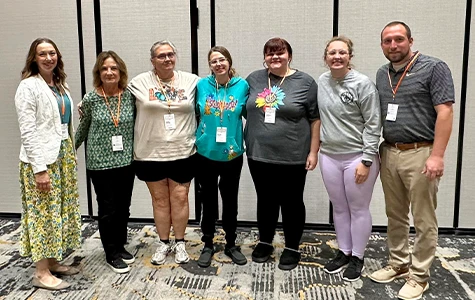 Thriving Children Conference
We successfully had several Kinder Haus employees join Eustis C4K at the Thriving Children and Families and Communities Conference on September 16, 2025. We used KNEW funds to reimburse the employees for their mileage and gave each employee a stipend for attending educational training.
The Kinder Haus Director, Janesa McMains, and Kinder Haus Employee Kathy McReynolds participated in the “Leadership Track” (CE-CERT) as part of Nebraska Extension’s (UNL) professional development program through Project KNEW. Janesa has been a director for a couple of years, and this training helped build a valuable foundation for her and help her network with directors from across the state.
At Christmas time, we used the KNEW funds to provide longevity checks to each Kinder Haus employee based on years of service and their roles and responsibilities. We worked closely with the Kinder Haus Board to distribute the funds.
Along with several other communities, we partnered with the Holdrege Area Early Childhood Partnership, Inc. to bring free training to local child care providers on the topic of Autism in children. This valuable training will provide the Kinder Haus staff with essential knowledge to identify and respond to children with autism in their care.
Until recently, Friend was fortunate to have multiple high-quality childcare providers serving the community. In November 2023, however, the community’s largest licensed childcare provider was forced to close due to financial challenges and ongoing difficulties in hiring and retaining qualified staff. The impact on Friend was immediate and substantial: 99 children between the ages of six weeks and nine years old, all from households in which both parents work outside the home, were left without access to childcare. Many families struggled to manage work schedules, traveled long distances to secure care, or exited the workforce entirely. Local employers likewise experienced the loss of valued employees and prospective hires as a direct result of the limited availability of childcare.
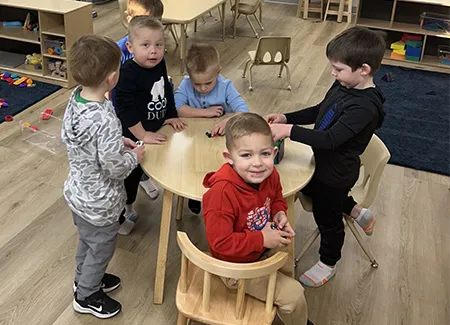 In response to this urgent need for quality, affordable childcare, a group of concerned citizens came together to support local families and providers. This effort led to the formation of the Friend Learning Center (“FLC”), a nonprofit organization that has since secured 501(c)(3) status. The core leadership group includes existing childcare providers, bankers, farmers, hospital administrators and staff, school administrators, teachers, school board members, attorneys, and elected officials, reflecting broad community engagement and support.
FLC remodeled an underutilized space within the city-owned hospital, the Friend Community Healthcare System, which had previously been used for storage and meetings. This space was repurposed into four licensed in-home family 2 facilities serving up to 48 children, and FLC officially opened its doors in August 2025. The hospital’s board, administration, and staff have been instrumental in the project’s success by identifying creative solutions and allowing FLC to utilize the hospital’s kitchen, maintenance, and custodial services. This partnership has revitalized an unused portion of the hospital and created mutual benefits for families, children, hospital staff, and FLC alike.
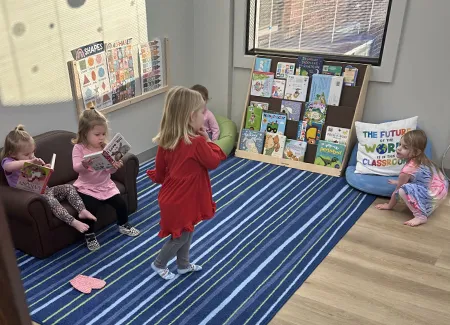 In addition, FLC has successfully hired and retained a team of highly skilled and professional staff dedicated to providing exceptional care. Our director, Stacy Lawver, brings more than three decades of experience in early childhood education and development and is a trusted and respected member of the community. FLC’s qualified early childhood professionals are committed to delivering quality, affordable, and reliable care, supported by flexible work schedules that promote employee satisfaction and a healthy work-life balance.
This project would not have been possible without the significant support of the Knowledge Network for Early Childhood Education Workforce Project (K.N.E.W. Project) and Early Futures/Communities for Kids. These partners assisted FLC in identifying qualified professionals for facility design and construction, securing external financial and training resources, and fostering professional development and support for childcare staff across the communities of Friend, Exeter, and Milligan. We are deeply grateful for their partnership. FLC is a source of pride for the community, providing quality, affordable childcare for families and meaningful employment for staff. We look forward with optimism to continued growth in early education and community support in 2026.
Through our participation in Project KNEW, we transformed our approach to workforce development by shifting our focus from recruitment to retention. We realized that the most immediate impact we could make was not simply attracting new workers but strengthening the workplaces and employees we already had. By prioritizing leadership development, workplace culture, and communication, we began building healthier work environments and stronger relationships throughout our community, particularly within early childhood education.
One of our greatest successes has been improving workplace communication. Using the professional development tools and conflict-management strategies provided through Project KNEW, we helped staff better understand their communication styles, navigate workplace challenges more effectively, and work across generational differences. These efforts improved teamwork, increased morale, and created a more stable and supportive work environment.
Our workforce strategy has become intentionally people-centered and collaborative. We invested in leadership development, shared communication tools across organizations, and encouraged employers, childcare providers, educators, and families to work together. By focusing on retention and proactive leadership, we strengthened our workforce from within and created a culture that values communication, trust, and collaboration.
As a rural community, we face interconnected challenges such as childcare shortages, staffing issues, leadership gaps, and workplace culture concerns. Through Project KNEW, we developed a shared language for addressing these challenges and learned to approach problems more strategically. Stronger communication systems and intentional leadership practices have helped us reduce conflict, build stronger partnerships, and create more effective solutions across organizations and businesses.
The results of this work have included improved communication, stronger leadership capacity, higher employee satisfaction, and greater workforce stability. Most importantly, we have learned that workforce development begins inside the workplace and that retention is often the best place to start. Moving forward, we plan to continue expanding leadership and communication training, strengthening retention efforts across sectors, and connecting this work to broader community and workforce development goals.
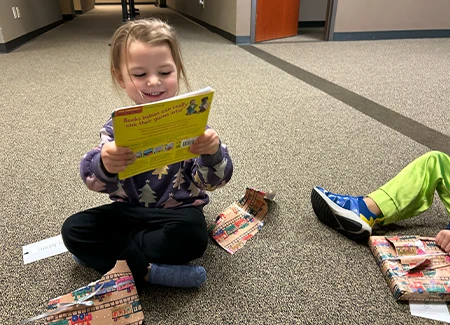 Kendra Yanez has always had a heart for kids, and many families in Holdrege know her as a trusted in-home childcare provider. After taking part in the professional development course supported by Project KNEW, she walked away feeling inspired, encouraged, and ready to take the next step in supporting local families.
That inspiration has now turned into something big — Kendra is opening a larger childcare center inside the old Central Community College building. What makes this even more special is how the community has rallied around her. Another local childcare provider has stepped up to mentor her through the entire process, offering guidance and support every step of the way.
The excitement in Holdrege is growing as the project gets closer to opening. Families and community members can’t wait to see this new center come to life and provide even more childcare options for the area.
Kendra’s story is a great example of what can happen when passion meets community support — and Holdrege is cheering her on the whole way.
The Holdrege Area Early Childhood Partnership has teamed up with the Phelps County Development Corporation (PCDC) to highlight just how important quality childcare is for families in the Holdrege area.
To support providers and encourage high-quality care, PCDC is offering a $500 stipend to the first five childcare providers— whether in-home or center-based — who reach levels 3, 4, or 5 in Step Up to Quality.
This incentive is a big step toward strengthening childcare services in our community, and we’re so excited to see providers take advantage of this opportunity!
Holdrege Area Childhood Partnerships Presentation (PDF)
The Holdrege Area Early Childhood Partnership, along with four other Communities for Kids communities, is excited to sponsor an upcoming Autism Training for local childcare providers! This training will be given by the Kids & Dreams Foundation This training has been highly requested by providers in Holdrege, and we’re thrilled to help bring this training to the area. If you’re a provider looking to learn more and better support the children in your care, we’d love to hear from you!
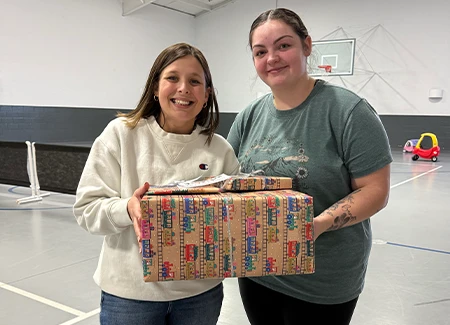 Last December, the Holdrege Area Early Childhood Partnership wrapped up our Adopt a Childcare Center program — and it was a huge success! Thanks to generous support from the community, we were able to raise funds and fulfill wish lists for 11 childcare centers in the Holdrege area.
These items were gifted to show appreciation for all the hard work childcare providers do every day, while also helping them stock the supplies they need to continue offering quality care to local families.
We’re so grateful to everyone who contributed and helped make a meaningful difference for our childcare providers and the children they serve!
The Communities for Kids (C4K) initiative in Keith County is a community-driven effort focused on strengthening early childhood education, supporting families, and building connections among organizations that serve young children. Guided by a diverse core team of educators, childcare providers, school leaders, and community advocates, Keith County C4K works to create opportunities that improve outcomes for children and families throughout the county.
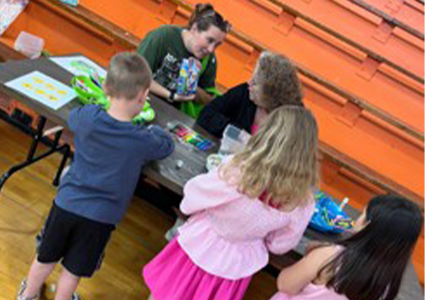 A major focus of the organization is supporting childcare providers and early childhood professionals. C4K provides appreciation gifts, educational materials, professional development opportunities, and resources that help providers enhance learning environments. The organization has also invested in social-emotional development by providing “Calming Corners” for kindergarten classrooms. Another initiative focuses on facilitating mentoring relationships between childcare providers, preschool teachers, and kindergarten educators to strengthen transitions for young children.
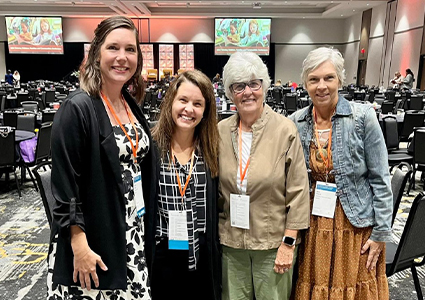 C4K also engages families through a variety of educational and community events. Programs such as the six-week Positive Solutions for Families course help parents develop strategies for supporting children’s social and emotional growth. Additional outreach efforts include participation in National Night Out, Week of the Young Child celebrations, diaper shower events, block parties, Easter egg hunts, and community giving campaigns that raise awareness of the importance of early childhood development.
Youth engagement is another important component of the organization’s work. Through the Keith County Youth Philanthropy Project, local youth have completed service projects that benefit children and families, including assembling childcare appreciation baskets for providers and distributing “Book Buddies” literacy kits to students. These projects help young people develop leadership skills while supporting early childhood initiatives in the community.
Loup County’s early childhood programs, including Loup County Public Preschool and Taylor Tykes Childcare, are making important strides to strengthen the local early childhood workforce through a partnership with Project KNEW.
Taylor Tykes Childcare's focus on staff recruitment and retention, local early childhood leaders have worked alongside other school and childcare professionals across Nebraska to learn about successful strategies for attracting and keeping quality staff. These collaborative conversations have helped guide local efforts and ensure decisions are based on proven practices.
Support from Project KNEW has provided Taylor Tykes Childcare with resources to put practical staffing solutions in place. These include onboarding support for new employees, funding for essential training, and improved wages tied to staff qualifications and professional growth. As a result, the program has already seen measurable success, including the addition of a new staff member and the ability to maintain appropriate student-to-staff ratios.
Loup County Public Schools is also helping build a future workforce pipeline by offering students opportunities to volunteer through work-study experiences. These hands-on opportunities introduce students to careers in early childhood while also supporting local childcare needs.
Thanks to these combined efforts, the early childhood team has grown from one full-time and one part-time staff member to a stronger team that now includes additional part-time staff and student volunteers.
In addition to workforce efforts, the public preschool is also focused on recruitment and strengthening relationships with county families. One example is the teacher’s new initiative to send welcome baskets to new parents and babies in the county, with the hope of building strong connections with families from the very beginning.
The Minden Area Early Childhood Partnership continues to strengthen early childhood education and childcare services by investing in the professionals who care for and educate young children. Through partnerships with local providers, community leaders, businesses, and state organizations, Minden is working to ensure that families have access to high-quality childcare and early learning opportunities.
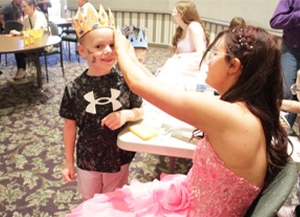
Recognizing that a strong workforce is essential to quality care, Minden has prioritized professional development and support for early childhood educators. These efforts help providers enhance their skills, strengthen educational practices, and build sustainable careers in the early childhood field, ultimately benefiting the children and families they serve.
As part of this commitment, Minden was selected as one of only 15 Nebraska communities to participate in the Knowledge Network for Early Childhood Education Workforce (KNEW) project. Through this initiative, local providers have access to specialized training, leadership development opportunities, and resources designed to strengthen educator recruitment, retention, and professional growth.

Minden's investment in its early childhood workforce reflects a broader understanding of the important role childcare plays in the community. Reliable, high-quality childcare supports children's development, enables parents to participate in the workforce, and contributes to the economic vitality of the region. By supporting providers and expanding opportunities for professional growth, Minden is helping create a stronger and more sustainable childcare system.
Through its participation in Communities for Kids and the KNEW project, Minden continues to explore innovative, community-driven solutions that support providers and families. These efforts demonstrate the community's commitment to ensuring that every child has access to a strong start and that early childhood professionals have the resources and support needed to succeed.
During a recent KNEW childcare workforce meeting, Lincoln County Communities for Kids (LC-C4K) shared their strategies to strengthen the early childhood workforce and expand childcare capacity through partnerships, workforce development initiatives, and community collaboration. Understanding that childcare providers across rural Nebraska continue to face significant staffing shortages, leading to classroom closures, waitlists, and challenges to maintain required staff-to-child ratios. These challenges directly impact families, employers, and the local economy.
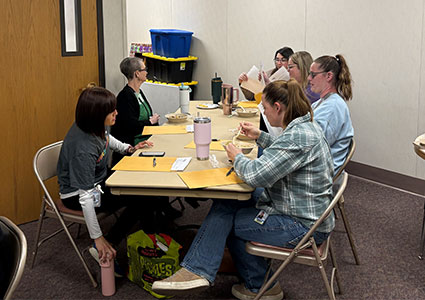 One of the solutions being explored is participating in a Regional Early Childhood Substitute Pool Network. This network is modeled after substitute teacher systems used in K–12 education, and would create a pool of trained, qualified substitute educators who can provide coverage when childcare staff are absent. The system includes background checks, health and safety training, CPR certification, and ongoing support. This initiative is coordinated through the Seward County Chamber & Development Partnership and offers participating providers access to scheduling tools, onboarding support, and quality assurance resources.
The leadership team is also focused on building a long-term workforce pipeline through Registered Apprenticeships. Unlike internships, these apprenticeships provide paid employment combined with classroom instruction and on-the-job training. This model creates clear career pathways for early childhood educators, supports employee retention, and increases professionalism within the field. Additionally, Lincoln County leaders are exploring partnerships with local childcare programs, educational institutions, and workforce development organizations to establish sustainable pathways into the profession.
By approaching childcare challenges as both an economic development and workforce development strategy, the substitute pool will provide immediate stabilization by reducing classroom closures and supporting providers, while apprenticeships offer a long-term solution by developing and retaining qualified educators. Together, these initiatives are intended to strengthen childcare availability, support working families, and improve economic stability throughout the community.
The leadership of Lincoln County C4K is also involved in a community-driven project designed to bring organizations together that are focused on early learning, literacy, family programming, and food security through the North Platte Collaboration Campus. By co-locating services and fostering public-private partnerships, the campus aims to increase access, reduce duplication of services, and create a sustainable hub that supports children, families, and community growth throughout Central and Western Nebraska.
The Plainview community is taking a collaborative approach to strengthening early childhood education and childcare opportunities for local families. Through Communities for Kids (C4K), community leaders, schools, churches, businesses, and residents are working together to address childcare needs and create new opportunities for young children to learn and thrive.
A key priority is the partnership between the C4K team, Zion Lutheran Church and School, and Plainview Public Schools. Together, they are developing plans for an after-school program and expanded preschool services for 3- and 4-year-olds. Community partners are also exploring solutions for transportation and meal services to help ensure families can access these programs. Licensing, business planning, and affordability considerations are currently being addressed, with a goal of opening during the 2026–2027 school year.
Another major initiative focuses on expanding preschool opportunities through the Plainview Public Schools bond project. Community leaders are working to educate residents about the benefits of early childhood education and the importance of investing in programs for young children. Plans include creating additional preschool opportunities for three-year-olds and increasing access to quality early learning experiences.
Beyond childcare and preschool expansion, Plainview is investing in broader supports for children and families. Community discussions are underway regarding the development of a dedicated childcare facility, with support from local foundations, donors, and community members. While fundraising efforts have been temporarily paused during the school bond election process, community leaders remain committed to moving the project forward following the election.
The community’s commitment to children extends beyond the classroom. Programs such as a traveling children’s librarian, youth sports opportunities for children as young as three, and early childhood enrichment activities help create a strong foundation for learning and development. Through strategic partnerships and a shared vision, Plainview is building a community that supports children and families from the earliest years onward.
The Pierce community is making a strong investment in young children by supporting professional development opportunities for early childhood providers. Seventeen current and prospective child care providers gathered in January 2026, at the Pierce Public Library for the Pierce Mini-Winter Conference. This event was designed to strengthen skills, share resources, and build connections among those caring for young children. KNEW funding helped support the conference, and all early childhood programs in Pierce were represented, demonstrating a community-wide commitment to quality care and education.
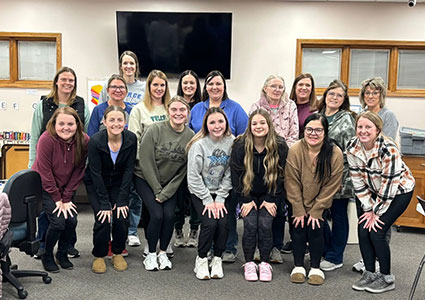 The conference provided participants with practical information on a variety of topics related to child care and early learning. Sessions covered everything from everyday program operations to emergency preparedness, giving providers valuable tools they can apply in their work. Just as important, the event created an opportunity for providers to connect with one another, exchange ideas, and discuss the unique needs of children and families in the Pierce area.
Nebraska Extension also contributed educational programming focused on STEM learning. Participants explored simple, hands-on ways to introduce science, technology, engineering, and mathematics concepts to young children through activities that encourage problem-solving, critical thinking, and following instructions. The session highlighted how early learning experiences can help build foundational skills that support future academic success.
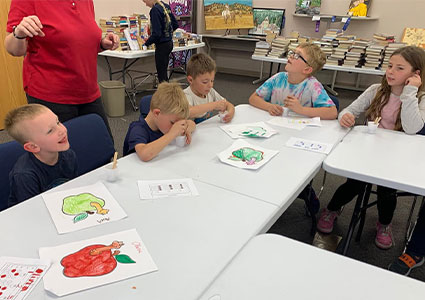 The conference reinforced the importance of high-quality early childhood experiences during the earliest years of life, when brain development occurs most rapidly. Organizers hope this first-of-its-kind event will lead to additional training opportunities that support providers and strengthen the local early childhood workforce.
Beyond the conference, Pierce continues to foster collaboration among organizations serving children and families. Community partners, including Nebraska Extension-Pierce County, Girl Scouts, and the Pierce Public Library, work together to host a monthly afterschool program. This creates additional opportunities for youth engagement and learning while strengthening community connections.
Pierce community hosts early childhood training for local providers - News Channel Nebraska
Over the past several years, the story of childcare in Seward County has been one of urgent need followed by intentional, community-driven solutions. The county was once identified as a “childcare desert,” with a gap of more than 300 children lacking access to care, including 71 children in Milford alone. Families struggled to find reliable options, often commuting outside the county or delaying employment altogether. On top of that, survey results from providers revealed that almost half were not expecting to be in the industry anymore within 5 years for different reasons. So, the number was high and looked to be getting higher. Something needed to be done. As highlighted through local storytelling and community conversations, childcare quickly emerged as more than a family challenge, it became a workforce and economic development priority that demanded a coordinated response.
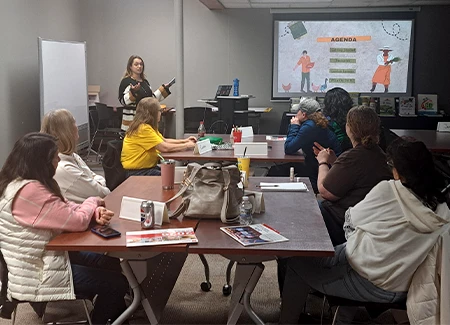 At the heart of this story are the personal experiences that sparked action. In Milford, a local family’s inability to find care led to a broader community movement and the creation of the Milford Childhood Learning Center. Built as a nonprofit through grassroots leadership, grant funding, and local fundraising, the center opened with capacity for more than 50 children and a mission to reinvest in quality, accessible care. Around the same time, two additional centers, Little Cubs Daycare in Seward and Our Redeemer Little Learners in Staplehurst, were brought to life through strong local partnerships. These centers were developed through collaborations between community leaders, employers, and childcare advocates who recognized that solving the childcare shortage required shared ownership and long-term commitment.
A critical connector across all of these efforts was Communities for Kids (C4K), a statewide initiative that helped guide Seward County communities through data analysis, planning, and implementation. Through C4K, local leaders were able to clearly define the childcare gap, align stakeholders, and build solutions tailored to each community’s needs. This support ensured that efforts in Milford, Seward, Staplehurst and across the county were not isolated projects, but part of a larger, strategic approach. By combining center-based care with support for in-home providers, Seward County created a more flexible and resilient childcare system.
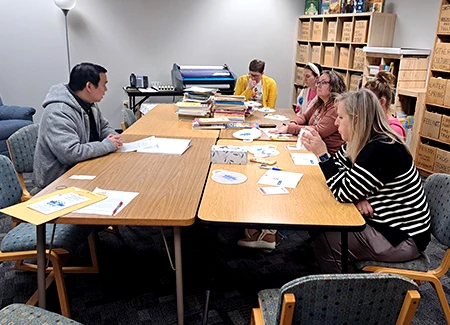 Equally important was the strategic use of multiple funding sources that helped turn plans into reality. Federal funding from the Coronavirus Response and Relief Supplemental Appropriations (CRRSA) Act and the American Rescue Plan Act (ARPA) played a significant role, alongside grants from the Nebraska Department of Economic Development, the Nebraska Children and Families Foundation, and local philanthropic contributions. These resources funded facility improvements, startup costs, and equipment—removing major barriers that often stall childcare projects. In total, nearly $2 million in combined funding was invested across Seward County, enabling communities to move quickly, expand capacity, and support both new and existing providers.
Today, Seward County’s childcare story is one of transformation driven by collaboration, strategy, and local leadership. What began as a significant shortage has become a coordinated, multi-community solution supported by C4K, diverse funding streams, and strong partnerships. The creation of the Milford Childhood Learning Center, Little Cubs Daycare and Our Redeemer Little Learners reflects what is possible when communities come together around a shared goal. While challenges remain and will continue to do so, Seward County has demonstrated that even rural communities can build sustainable childcare systems that support families, strengthen the workforce, and ensure long-term community vitality.
The Valentine Children and Families Coalition is playing a key role in strengthening early childhood services in Cherry County by supporting child care providers and expanding access for local families. The coalition is focused on ensuring that Valentine remains a welcoming place for young families who are choosing to return to the community to raise their children.
Recognizing the growing demand for child care, the coalition has developed innovative solutions to address local needs, including joining the Knowledge Network for Early Childhood Education Workforce (KNEW), a statewide initiative designed to strengthen the recruitment and retention of early childhood educators in rural Nebraska.