
What is Universal Design for Learning? (UDL)
The Universal Design for Learning (UDL) Hub brings together resources to support UNK faculty, staff, and the broader learning community. Designed as a central space for sharing materials and strategies, the UDL Hub promotes accessibility and inclusive teaching and learning.
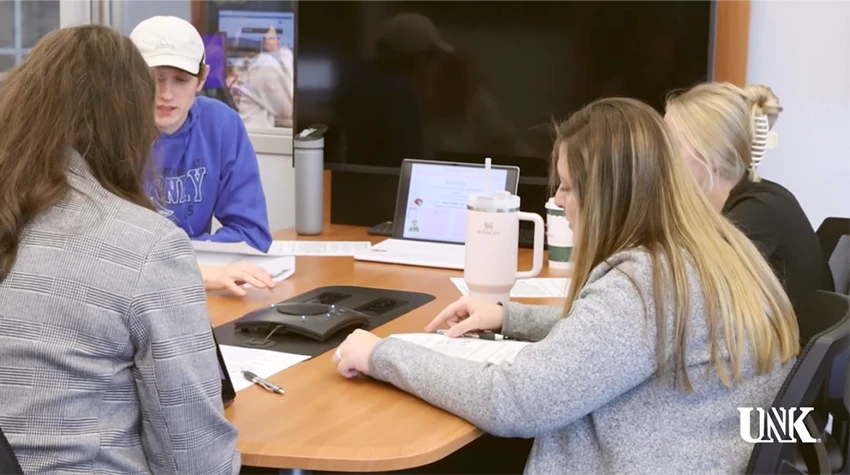
Watch this video to gain an understanding for the importance of engagement for student success and the ways UNK uses frameworks like UDL to achieve this goal.
According to the Center for Applied Technology (CAST), which leads the global UDL movement, UDL is a framework to improve and optimize teaching and learning based on what we know about the human brain. Each brain is made of billions of interconnected neurons that form unique pathways. Like fingerprints, no two brains are alike.
The CAST UDL Guidelines help educators address the diversity in learning in three main categories:
- Engagement (the why of learning): recruiting interest, sustaining effort and persistence, and self-regulation.
- Representation (the what of learning): perception, language and symbols, and comprehension.
- Action & Expression (the how of learning): physical action, expression and communication, and executive function.
UDL ensures learner-centered instructional designs that empower students to exercise agency over their own learning; this refers to the ability to manage and adjust emotions, cognition, and behaviors as they interact with the learning environment.
Recognizing that learners differ in background, ability, lived experiences, and life obligations reframe variability as a resource to design around rather than a problem to fix.
What is accessibility?
According to the National Center on Accessible Educational Materials (AEM, 2023) at CAST, Accessibility means that an individual with a disability can acquire the same information engage in the same interactions, and enjoy the same services as an individual without a disability, in an equally integrated and equally effective manner, with substantially equivalent ease of use” (Joint Letter US Department of Justice and US Department of Education, June 29, 2010).
Explore the following resources to learn more about accessibility:
- AEM Center: What is Accessibility?
- The Office for Civil Rights Introduction to Accessibility
- Why Accessibility Matters: Accessibility and Inclusive Technology
Accessibility & Title II Policies at UNK
Title II of the Americans with Disabilities Act (ADA) requires public universities to ensure that their websites, learning platforms, documents, and digital tools are accessible to people with disabilities. By April 24, 2026, all public-facing and student-facing UNK web and digital course materials must meet federal accessibility standards. View full policies
UNK's Commitment to Students
The University of Nebraska at Kearney recognizes that barriers reside in educational designs and practices and is committed to supporting the full range of learner variability and proactively removing obstacles that prevent students from fully engaging, participating, and succeeding.
UDL Across Campus
UDL emphasizes the proactive design of learning environments, systems, and practices that proactively reduce barriers for every learner in the classroom and across campus. It empowers faculty and staff to embed flexibility and accessibility from the start to ensure that all learners, regardless of ability, background, or circumstance, can access, engage with, and demonstrate learning to reach their full potential.
UDL applies to every dimension of the student experience including but are not limited to,
- Recruitment and enrollment
- Advising
- Financial aid
- Student affairs
- Academic affairs
- Digital and online platforms
- Marketing & communications
- Facilities & housing
- Leadership & policy work
UDL is about recognizing the barriers that undermine student engagement, retention, and success. These include but are not limited to the following examples:
- Structural and administrative barriers encountered in admission and transfer process.
- Rigid policies and practices that undermine the retention of students with disabilities, working and/or parenting students, and first-generation, just to name a few.
- The impact of digital accessibility on student persistence.
- How classroom and campus culture impact student belonging and wellbeing.
- Email communication and content that may not be accessible to everyone.
The application of UDL principles across campus require attention to the following:
Getting Started




UDL in action
-
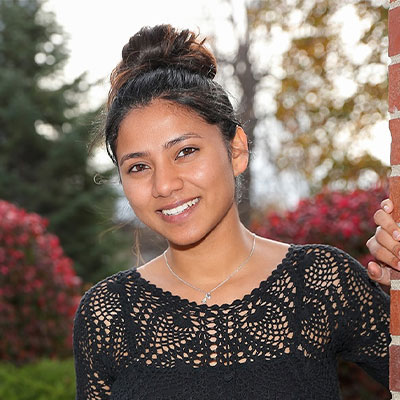
“For one of my classes last semester, our teacher required us to do a role play. So my teammates and I were able to use the concepts that we learned in class and turn it into a skit. That was very helpful for me to retain all the concepts that we learned in that particular subject."
-
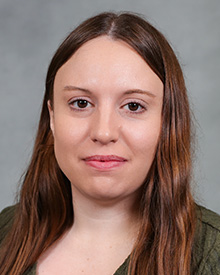
“UDL aligns closely with our goals around equity and student success because it ensures that all students, regardless of their background or abilities, has access to meaningful learning."
-
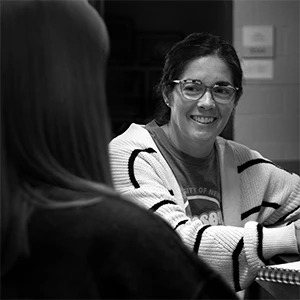
“I've been using UDL in my teaching practice for about 3 years now and where I've found the most student engagement and success has been with assessment. So when I offer students opportunities to either write or create a video submission, I really have found that the students are more engaged, excited to share what they've learned and find their own success in their own way.”
Building Campus Capacity for UDL
To strengthen institutional expertise in Universal Design for Learning, the following faculty and staff have completed professional training with the Center for Applied Technology (CAST), the organization that developed the Universal Design for Learning (UDL) framework.
These individuals serve as catalysts, campus thought partners, and resources as we continue building inclusive, barrier-reducing systems across the university.
Whether you are:
- Exploring UDL for the first time
- Redesigning a course, program, or process
- Rethinking a policy or communication
- Looking for a reflective conversation partner
Our CAST-trained colleagues are available to support dialogue, reflection, and mentorship.
UDL implementation is most powerful when it is collaborative. Our goal is to grow this network and our campus expertise by welcoming all faculty and staff to join this expanding community of practice.
Have a question about UDL or available resources? Contact Elnara Mammadova, Naheed Abdulrahim, and Christopher M. Strickland.