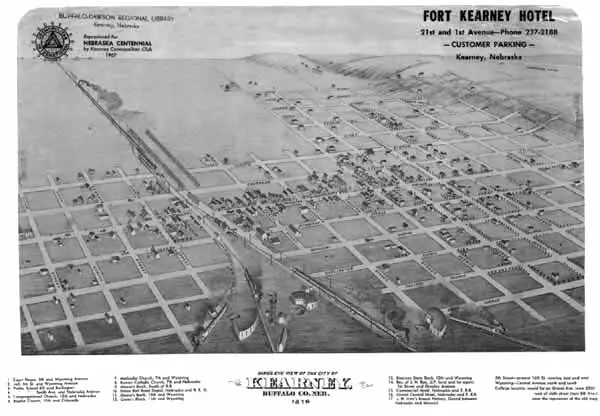

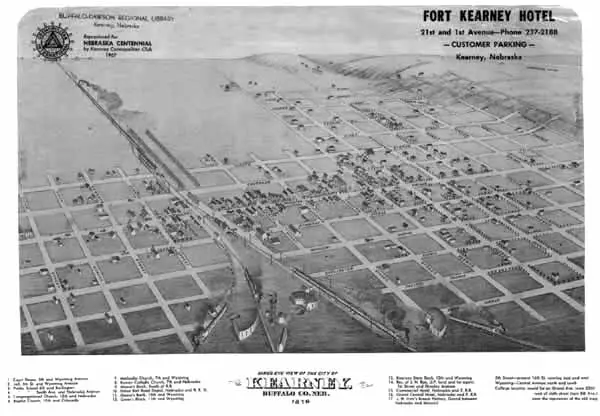
 In the late Nineteenth Century the Frank Family was exploring the American West looking for places to invest, expand their business operations, and increase their family’s overall reputation. Near the start of the 1870s George W. Frank, with advice from relatives, believed he had found a location that had promise in the young city of Kearney. He would place his initial stake in the future of Kearney with the purchase of approximately 1,000 acres of land near the community. Although the Franks did not immediately expand their interests in Kearney on any major scale, they would initiate a growing vision for Kearney about 15 years later.
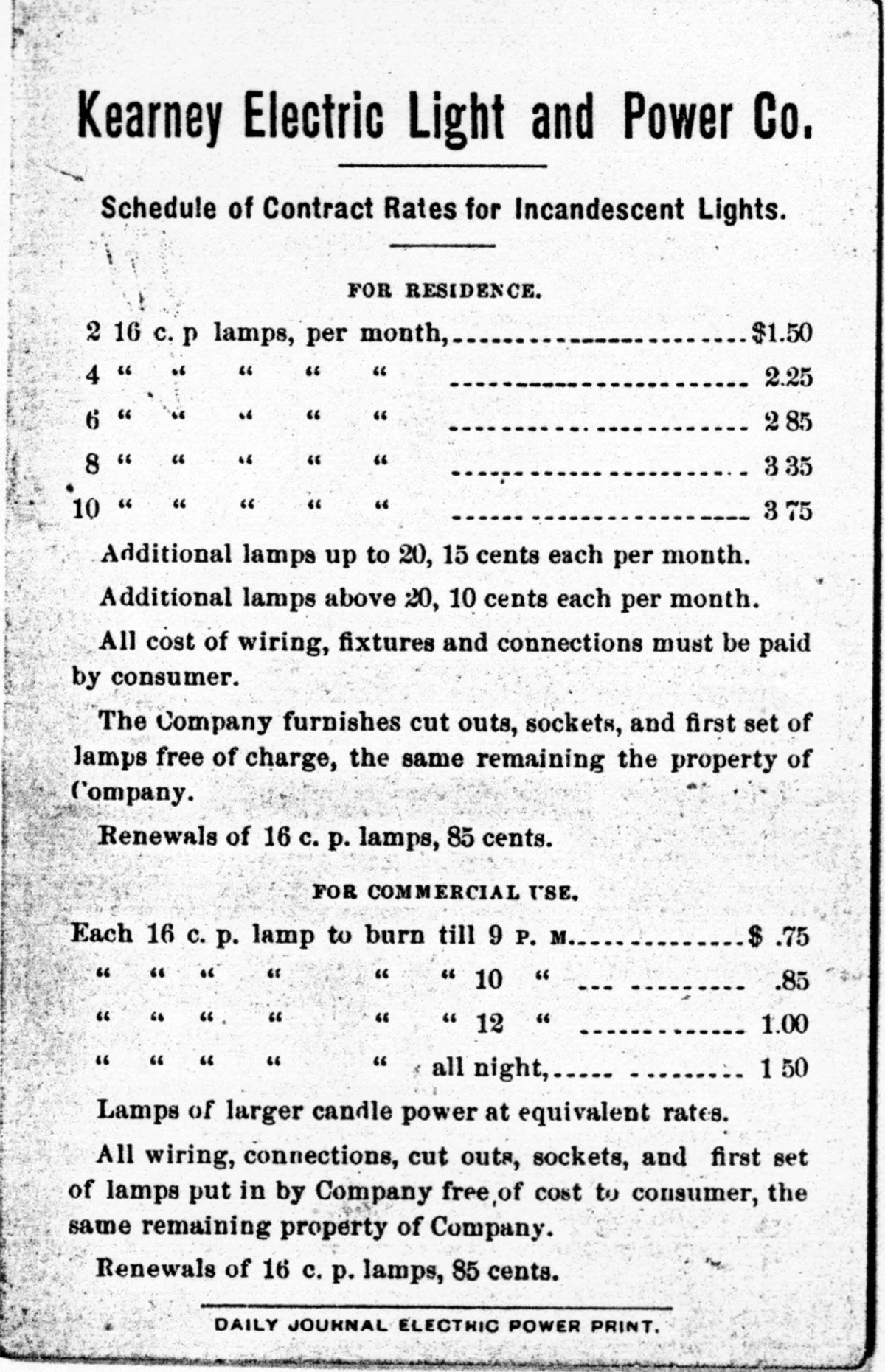
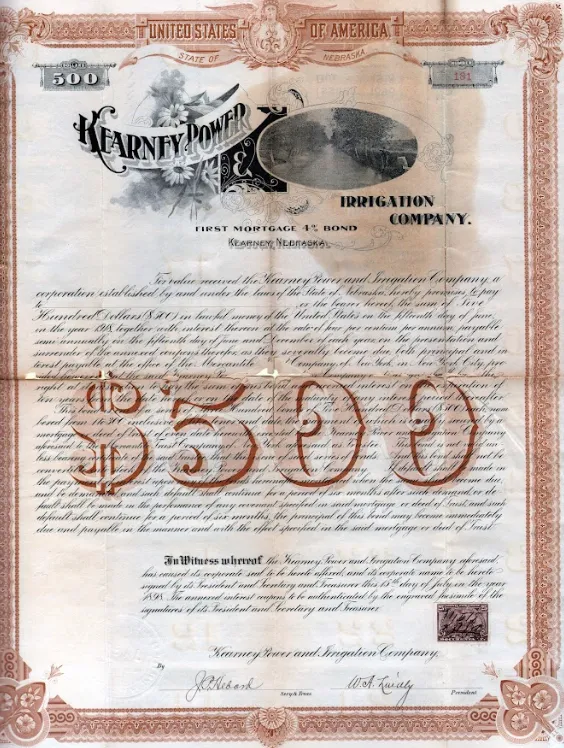
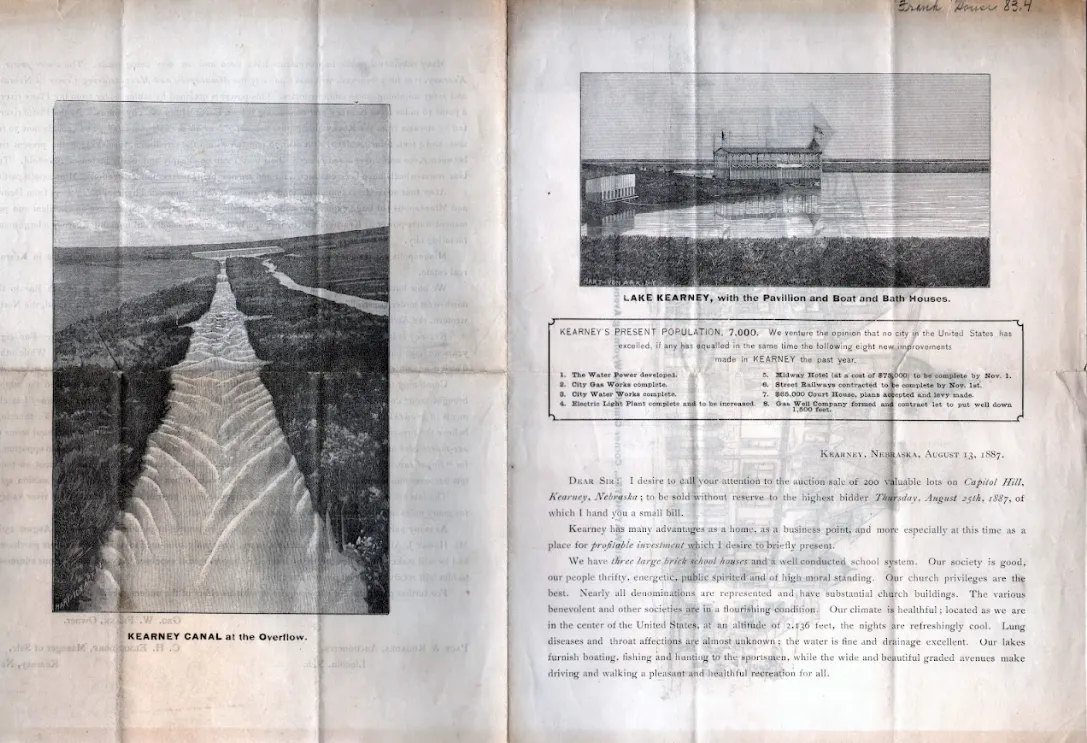
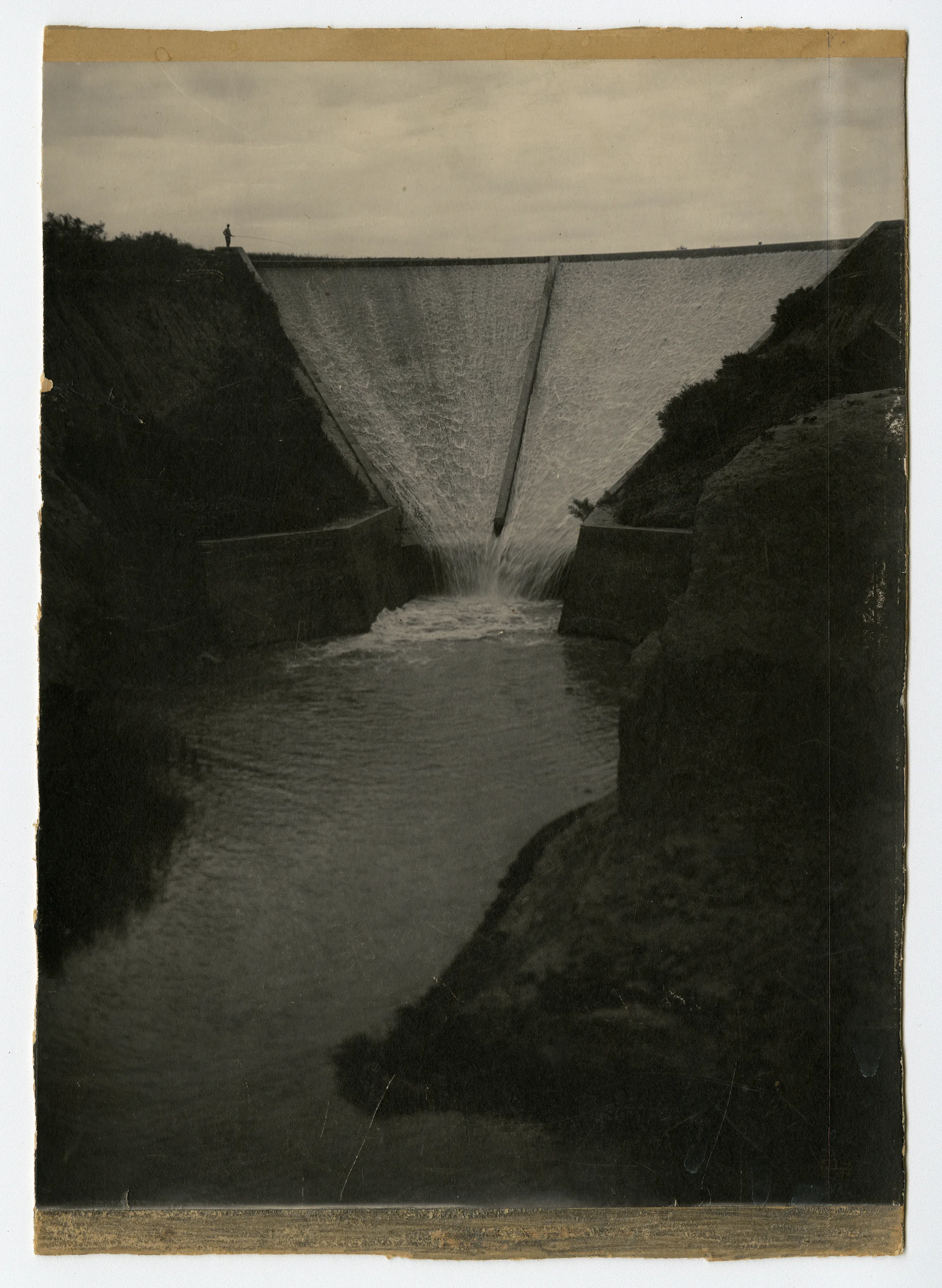
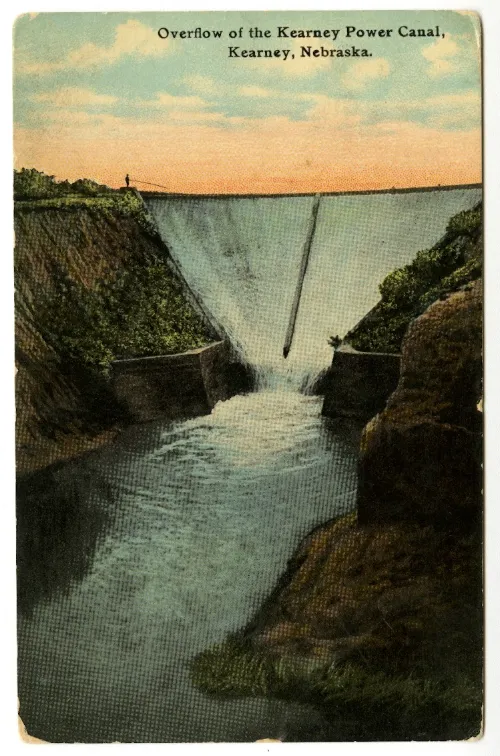
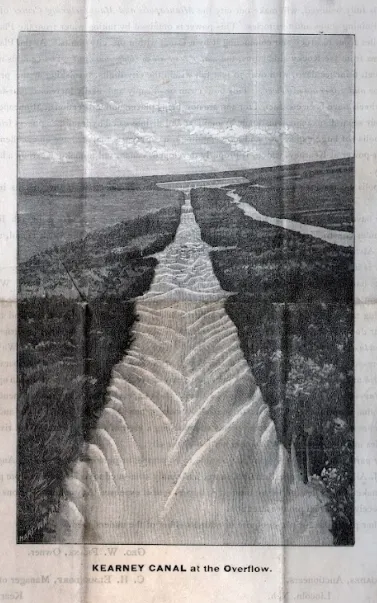
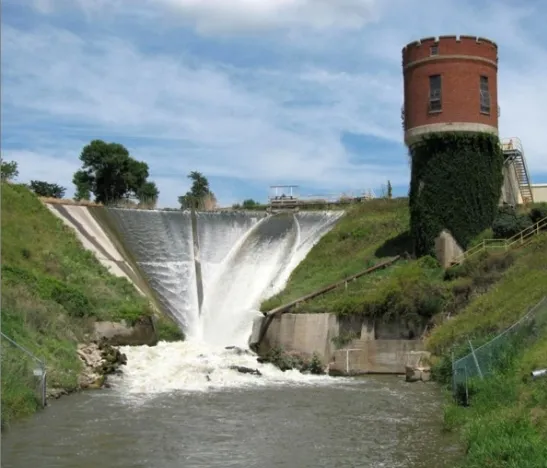
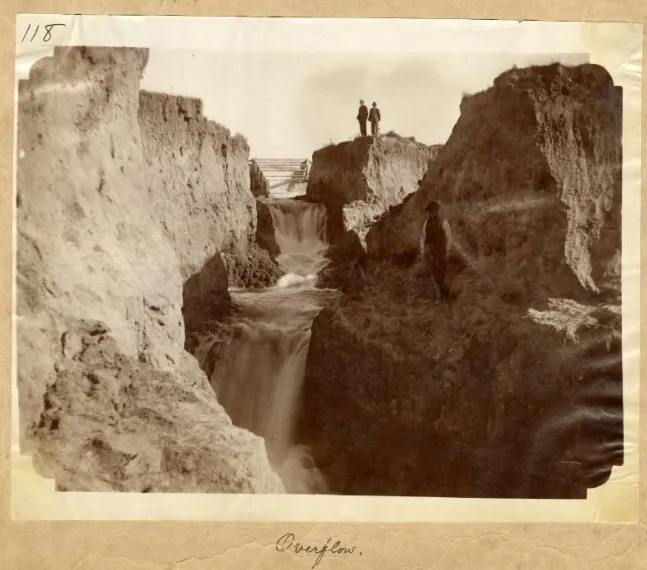
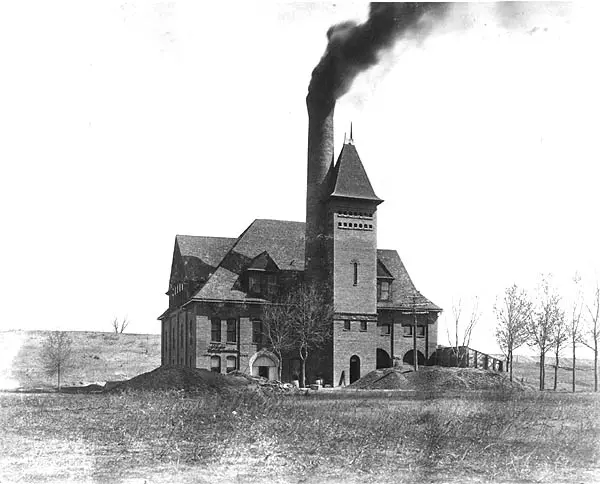
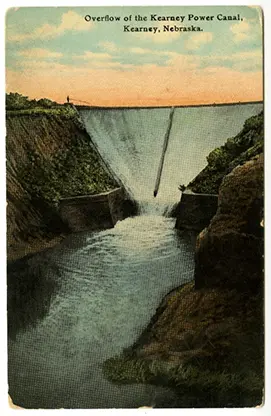 In 1885 the Franks acquired what became a central piece and starting point of their vision for a new Kearney by taking control of the struggling Kearney Canal project. In 1882 Kearney had launched an effort to build a canal to provide waterpower to the growing community, however, issues with funding resulted in construction grinding to a halt. The Franks, seeing potential in the project, took over and focused on contributing the necessary funding to complete the canal, additionally constructing and connecting Nebraska’s first hydroelectric power plant. In the 1880s hydroelectric power was a new and promising technology that held potential for industry and infrastructure. At the time the Franks were trying to complete the canal project only a few dozen plants were in operation or under construction across the United States, and a successful plant in Kearney would make it one of only a few in the American West. Upon its completion in 1886, Kearney’s new hydroelectric power plant powered on, providing electricity to the city for the very first time. It operated until it collapsed in the 1920s.
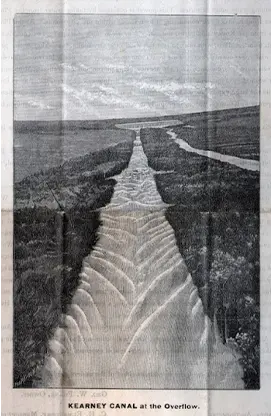
Being aware of this incredible potential, the Franks and Kearney made an effort towards promoting the presence of the water canal and plant in the late 1880s and early 1890s through advertisements in boosterism and pamphlets. The boosters claimed that the Kearney Canal, once finished and expanded, would provide more than 100,000 horsepower towards manufacturing and other projects. In the end the completed canal would actually not produce much more than 300 or 400 horsepower. This reality, however, did not stop the Franks from pursuing their vision for Kearney and advertising the potential of the canals once future expansions were completed. Whether the claims the Franks made about the project’s potential were purposeful exaggerations on their part, or if they truly believed the claims themselves, it cannot be said for sure which is true. Either way the Franks held some clear belief in the potential of Kearney as they invested their time and fortune into its development.
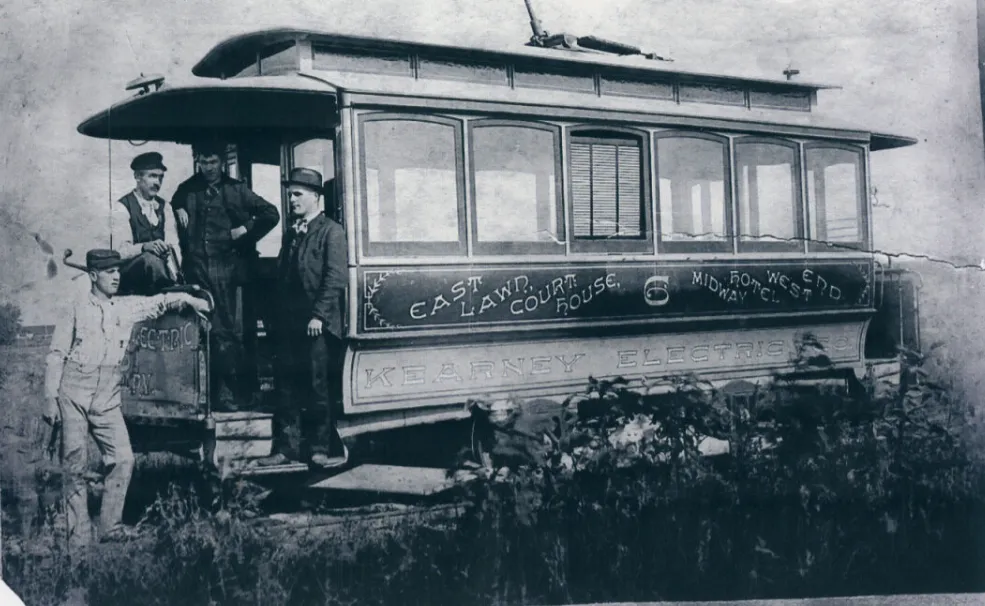
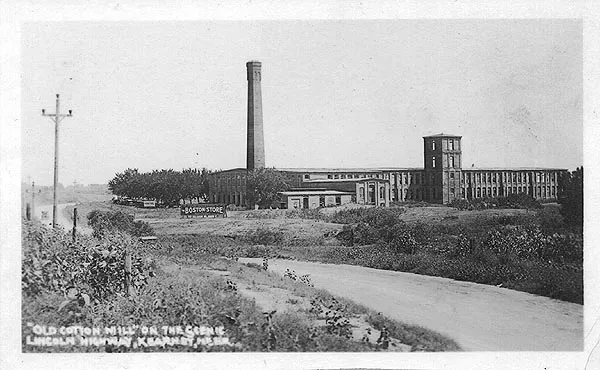
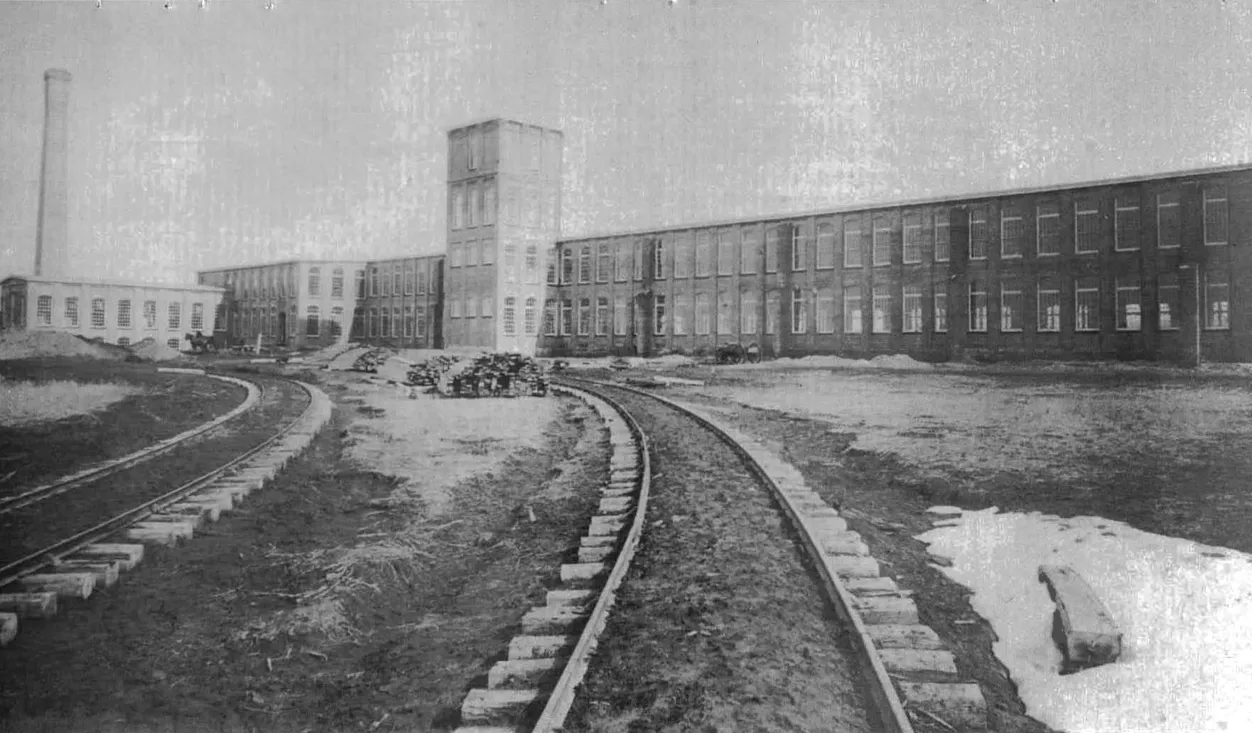
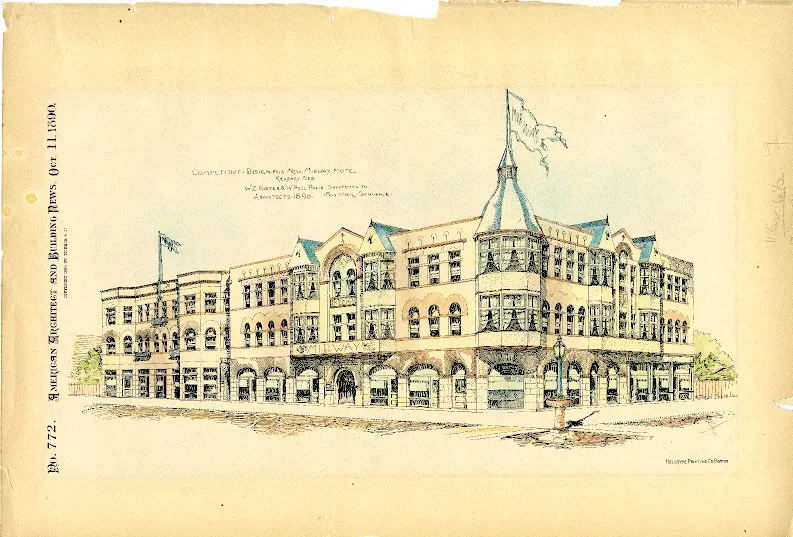
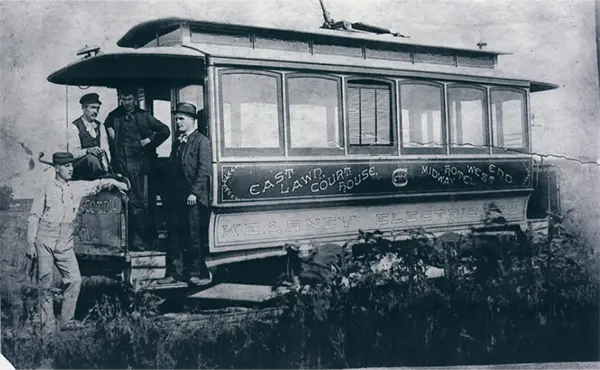
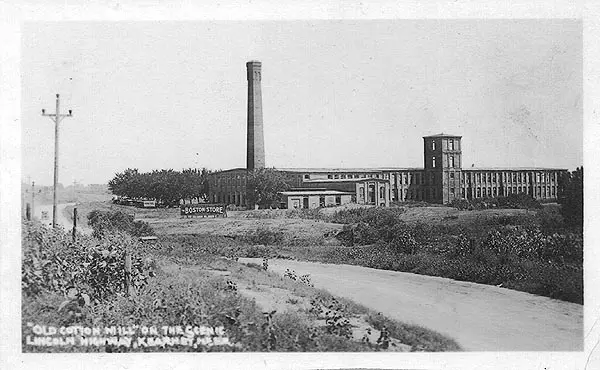 During the same time the canal project was undertaken, the Franks also began expanding their investments in Kearney through the G.W. Frank Improvement Company, a development company created with the backing of investors they had drawn to Kearney. The Frank Improvement Company would be responsible for turning the Frank Family vision into a reality, establishing and helping fund a number of businesses including a stoneworks, a paper mill, a cotton mill, and a city-wide electric trolley system to name a few. The responsibility for making Kearney into a manufacturing hub was something the Franks believed centered around their family and how their company brought in new investments and businesses. The family felt confident of what the company would do and one of the Franks spoke of it as “the best thing that has ever occurred for this city.” Boosters such as the 100 Views of Kearney painted a very bright future and highlighted the Kearney Canal Company and many of the Franks’ other projects as instrumental for that future. The city was, at least according to those living there, considered on its way to becoming the next major city of the American West, regularly referred to as the next Minneapolis.
 The Franks’ visions for Kearney and expansion efforts would not last long as the Panic of 1893 resulted in disaster for the Franks who did not have the means to cover the losses caused by the depression. The problem amplified when at least some of the companies funded by the Frank Family, such as the Cotton Mill, never actually made a profit. The result was that the Franks were not making the profits they needed from selling the Kearney Canal’s waterpower to keep the project’s expansions or their finances afloat. Despite the financial situation looking bleak for the Frank family they did not immediately give up on Kearney. Letters from this time refer to a continued vision for a “larger city of Kearney” which could be achieved through the backing of the Kearney community and from new funding. Eventually though, the Franks would be forced to give up on their vision as inability to pay their debts, financial stress within Kearney itself, and the deaths of Phoebe Frank and the eldest son Augustus Frank forced the family to sell their Kearney land and businesses. The ambitious vision of the Franks came to an end and the Frank Family was forced to leave Kearney, returning east to where family could support them after their financial disaster.
Researched and written by David L. Johnson, UNK undergraduate student, for the G.W. Frank Museum of History and Culture, 2026.
Photo Gallery
Click to view full size